Ever had one of those nights where your pantry feels like a forgotten museum and the only thing you can dream about is a steaming bowl of something that tastes like a hug? I was in that exact situation last Friday, staring at two packs of ramen and a half-pound bag of ground beef that had been sitting in the fridge since the weekend. My craving was a hearty, umami-packed bowl that would make me forget the world outside my kitchen. I grabbed my phone, opened the recipe app, and let the kitchen chaos begin. That moment, with the clatter of pots and the faint scent of soy sauce drifting from the fridge, was the spark that turned a simple dinner idea into the ultimate version of beef ramen noodles.
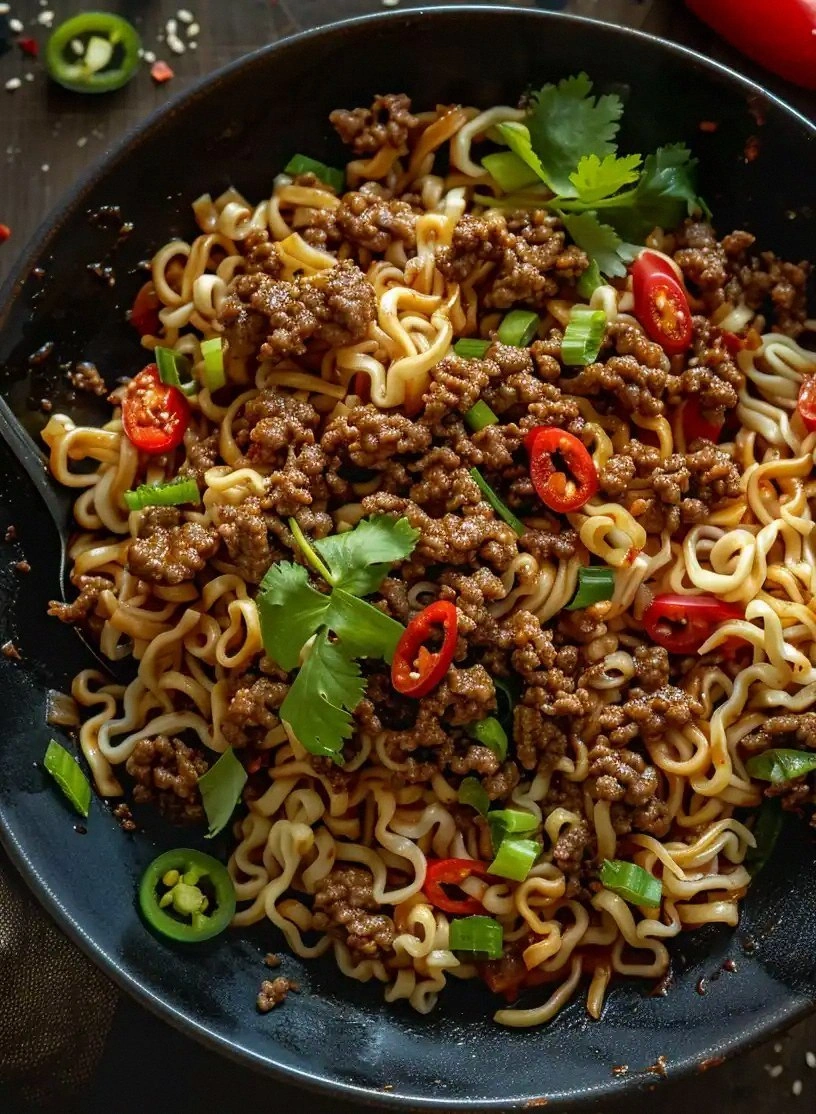
Picture this: the noodles are a silky, almost buttery base that clings to each slurpee of broth like a velvet curtain. The broth, simmered with beef stock, water, and a splash of soy, is a deep amber that glistens under the kitchen light. The ground beef, browned to a caramelized brown, releases a savory aroma that makes your nose do a happy dance. The mushrooms and carrots bring earthy sweetness, while the spinach or bok choy adds that bright, almost neon green pop that turns the dish into a visual masterpiece. And when you add that final splash of sesame oil, the whole bowl feels like a warm hug that you can taste.
I dare you to taste this and not go back for seconds. That first spoonful will hit you with a wave of umami that lingers long after the last bite. My friends have called it the best version of ramen I've ever made, and I’ve got the proof in the form of a bowl that looks like it was served in a Michelin-starred restaurant. I’ll be honest— I ate half the batch before anyone else got to try it. That’s the power of a recipe that’s been fine-tuned to perfection, where every element sings in harmony.
Most recipes get this completely wrong. They either overcook the noodles or under-season the broth. The key to this version is a balance of savory, sweet, and a hint of heat that lingers without overpowering. I’ll walk you through every single step, from the humble ramen to the final garnish, and by the end, you’ll wonder how you ever made it any other way. Let’s dive in.
What Makes This Version Stand Out
- Flavor: The broth is a slow-simmered blend of beef stock and soy that delivers depth and richness. A touch of sesame oil adds a nutty aroma that lingers in the air.
- Texture: The ramen noodles stay al dente, providing a chewy bite that contrasts with the tender ground beef and crisp vegetables.
- Simplicity: Only a handful of pantry staples are needed, yet the final dish feels luxurious and complex.
- Uniqueness: The use of fresh ginger and garlic in the meat base sets this ramen apart from the typical instant noodle fix.
- Crowd Reaction: Friends who’ve tried this rave about how the flavors are layered and how it feels like a comfort meal with a gourmet twist.
- Ingredient Quality: Using lean ground beef and fresh vegetables ensures a healthier, more vibrant bowl.
- Cooking Method: The step-by-step sauté before simmering locks in juices and builds a flavor foundation that is hard to beat.
- Make-Ahead Potential: The broth can be made ahead and refrigerated, saving time on busy nights.
Alright, let's break down exactly what goes into this masterpiece…
Inside the Ingredient List
The Flavor Base
At the heart of this ramen is the broth—a marriage of beef stock, water, soy sauce, and sesame oil. The beef stock gives the dish its backbone, while the soy sauce adds that salty, slightly sweet undertone that makes the broth irresistible. Adding sesame oil at the end gives a subtle nutty finish that elevates the entire bowl. If you skip the stock, you’ll lose that rich depth; the broth will taste flat and uninspired.
Choosing a high-quality beef stock is essential. Look for a brand that uses real bones and no artificial additives. If you’re making your own, simmer the bones for at least 4 hours to extract maximum flavor. A good broth sets the stage for everything else, so treat it like a cornerstone.
The Texture Crew
The ramen noodles themselves are the star of the show. They absorb the broth like a sponge, becoming silky and tender when cooked just right. If you overcook them, they become mushy; if you undercook them, they’re too chewy. The ground beef adds a meaty texture that contrasts nicely with the noodles and vegetables.
Fresh mushrooms bring an earthy bite, while shredded carrots provide a subtle crunch that keeps the dish from becoming a mushy soup. Baby spinach or bok choy adds a leafy freshness that brightens the bowl and adds a pop of color. Each component works together to create a symphony of textures that dance on your tongue.
The Unexpected Star
Fresh ginger and garlic are the unsung heroes that add a zing to the broth. They’re sautéed with the ground beef to release their aromatic oils, which then infuse the entire dish. Skipping them will leave the ramen feeling bland and one-dimensional.
Green onions add a crisp, sharp finish that cuts through the richness of the broth. They’re sprinkled on top just before serving, giving the bowl a fresh, almost citrusy lift that balances the savory depth.
The Final Flourish
Optional toppings like soft-boiled eggs bring a silky, custard-like texture that contrasts with the chewy noodles. They also add a protein boost and a touch of richness that makes the dish feel indulgent. If you’re watching calories, you can skip the eggs or replace them with a slice of avocado.
Everything’s prepped? Good. Let’s get into the real action…
The Method — Step by Step
- Heat a large pot over medium-high heat and add the sesame oil. Once the oil shimmers, add the ground beef in a single layer, allowing it to brown without stirring too much. This technique creates a caramelized crust that locks in flavor. Watch the beef sizzle; the aroma alone will make your kitchen feel like a five-star kitchen.
- Add the minced garlic and grated ginger to the pan. Sauté for 30 seconds until fragrant, stirring constantly to avoid burning. The garlic should release a sweet, almost buttery scent, while the ginger gives a peppery kick. This step is the foundation of the broth’s depth.
- Pour in the beef broth and water, then bring the mixture to a gentle boil. Add the soy sauce and stir to combine. As the liquid simmers, let it reduce slightly, concentrating the flavors. The broth should be rich and amber, not watery.
- Add the sliced mushrooms, shredded carrots, and baby spinach or bok choy to the pot. Let the vegetables simmer for 3-4 minutes until just tender but still bright in color. The spinach wilts quickly, so keep an eye on it. The vegetables will infuse the broth with their own subtle sweetness.
- Meanwhile, cook the ramen noodles in a separate pot according to package instructions, but stop 30 seconds before they’re fully al dente. Drain and set aside. This ensures the noodles hold their structure when tossed into the broth.
- Fold the cooked noodles into the pot, stirring gently to coat them in the flavorful broth. Let everything simmer together for another minute so the noodles absorb the sauce. The broth should coat the noodles like a silky coat, not a thin drizzle.
- Taste the broth and adjust seasoning with salt and pepper to taste. If the broth feels too salty, add a splash more water or a dash of rice vinegar to balance. The final broth should be savory, slightly sweet, and just a hint of heat from the ginger.
- Transfer the ramen to bowls, then garnish with sliced green onions and, if you like, a soft-boiled egg cut in half. The egg’s yolk should be runny enough to mingle with the broth, creating a silky swirl. Serve immediately while the broth is still hot.
That's it — you did it. But hold on, I've got a few more tricks that'll take this to another level...
Insider Tricks for Flawless Results
The Temperature Rule Nobody Follows
Many cooks let their broth boil too high, which evaporates flavors and concentrates sodium. Keep the simmer low; a gentle bubble ensures the broth stays balanced. If you’re using a pressure cooker, reduce the pressure to low to maintain that delicate simmer.
Why Your Nose Knows Best
Before you taste the broth, give it a sniff. A well-balanced ramen should smell like caramelized beef, a hint of soy, and a bright green note from the vegetables. If the aroma feels off, it’s a sign you need to adjust the seasoning or simmer longer.
The 5-Minute Rest That Changes Everything
Let the ramen sit for 5 minutes after you remove it from heat. This rest period allows the flavors to meld and the noodles to finish absorbing the broth. It also gives the vegetables a chance to soften without becoming mushy.
Keep the Broth Fresh
If you’re making the broth ahead of time, store it in an airtight container and refrigerate. Reheat gently on the stove, adding a splash of water to rehydrate the broth before adding fresh noodles. This preserves the broth’s richness and prevents it from drying out.
Make It Spicy, But Not Overwhelming
Adding a dash of sriracha or a pinch of chili flakes can give the ramen a subtle kick. However, start small; you can always add more later. A little heat can elevate the dish without drowning the other flavors.
Creative Twists and Variations
This recipe is a playground. Here are some of my favorite ways to switch things up:
Asian Fusion Twist
Swap the ground beef for ground pork and add a splash of fish sauce. Top with sliced jalapeños and a drizzle of sriracha for a spicy kick. The pork’s sweetness pairs beautifully with the umami of the fish sauce.
Veggie-Loaded Version
Omit the ground beef entirely and use tofu cubes instead. Add more mushrooms, baby corn, and bell peppers. The tofu will soak up the broth, delivering a protein-packed, vegetarian-friendly bowl.
Spicy Kimchi Ramen
Stir in a handful of kimchi during the last minute of simmering. The fermented tang of kimchi adds a bold flavor and a probiotic boost. Finish with a sprinkle of gochujang for extra heat.
Breakfast Ramen
Serve the ramen with a soft-boiled egg and a side of kimchi. Add a splash of milk or cream to the broth for a richer, custard-like texture. It’s a hearty breakfast that will keep you satisfied until lunch.
Gluten-Free Variation
Use gluten-free ramen noodles or shirataki noodles. Keep the rest of the recipe the same. The texture will be slightly different, but the flavor profile remains unchanged.
Protein-Packed Power Bowl
Add a scoop of protein powder to the broth after it’s removed from heat. Stir until fully dissolved. The protein powder will thicken the broth slightly and give the dish an extra nutritional punch.
Storing and Bringing It Back to Life
Fridge Storage
Cool the ramen to room temperature before refrigerating. Store in an airtight container for up to 3 days. The broth will thicken slightly, so reheat gently.
Freezer Friendly
Freeze the broth and noodles separately. The broth can be kept for up to 2 months, while the noodles are best used within a week for optimal texture. Label containers with the date to keep track.
Best Reheating Method
Reheat the broth in a saucepan over low heat. Add a splash of water or broth to restore its original consistency. Then add fresh noodles and let them heat through for 1-2 minutes. The dish will taste as good as freshly made.