I was standing in the middle of my kitchen, a rogue scallop clinging to the pan like it was auditioning for a role in a gourmet drama, when my friend called me over, grinning, “You’ve got to try this.” She’d found a recipe that promised the kind of umami explosion that would make my taste buds do the salsa, but my culinary instincts screamed, “No, no, no.” I laughed, because I’ve spent too many nights chasing the perfect stir‑fry, only to end up with soggy veggies and scallops that looked more like seaweed than the sea’s jewels. But that night, something shifted. I was ready to taste the difference, to feel the sizzle of fresh ginger, the bright snap of snow peas, and the whisper of cilantro. The kitchen was buzzing, the air smelled of soy sauce and toasted peanut oil, and I was about to turn a simple dinner into a headline act.
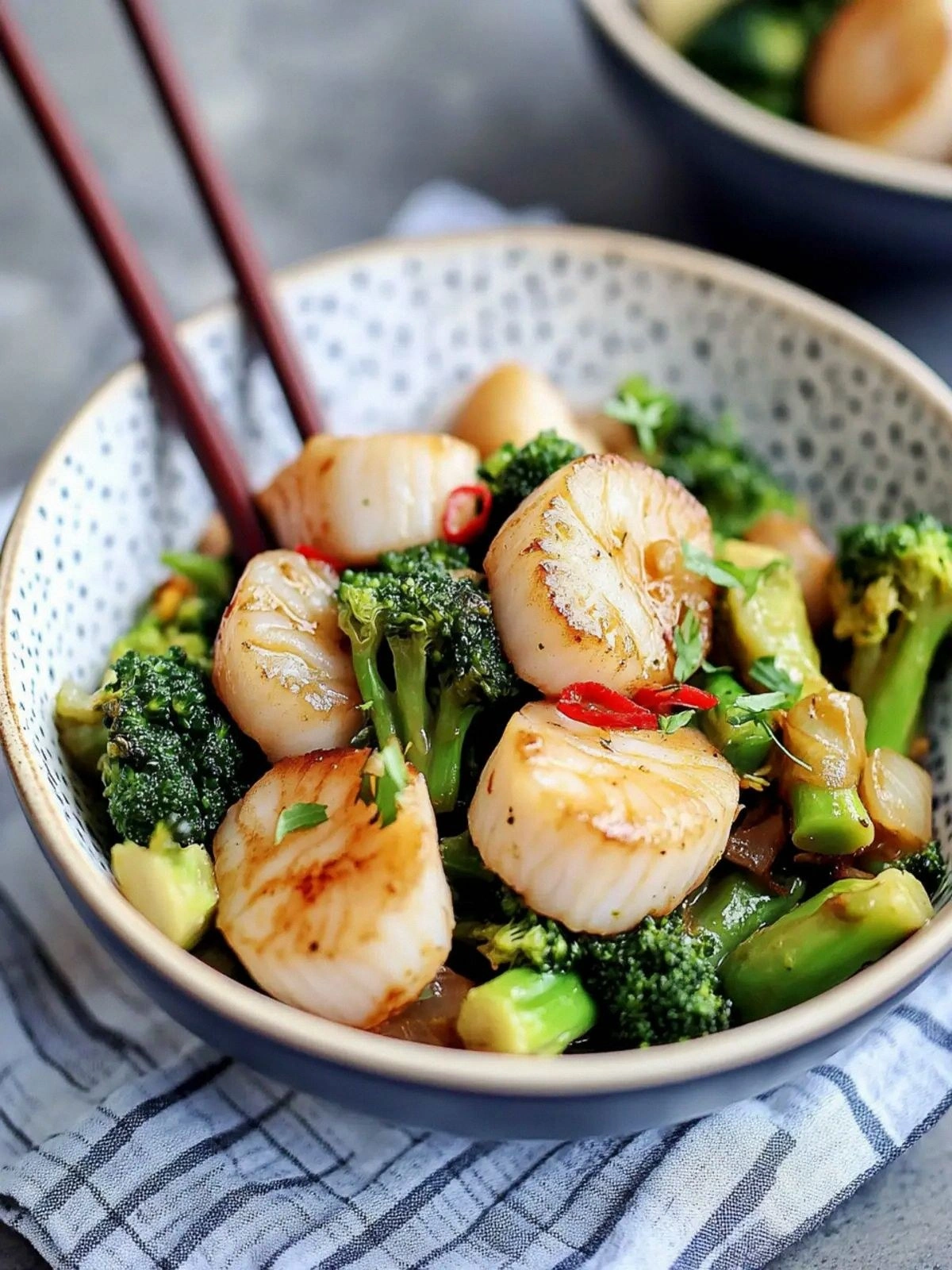
Picture yourself pulling this dish out of the skillet, the whole kitchen smelling like a tropical rainforest, and the steam curling like a fragrant halo. The scallops, perfectly seared, hold their shape and release a subtle brine that coats the vegetables in a silky glaze. I dare you to taste this and not go back for seconds; the first bite will have you shouting, “This is hands down the best version you’ll ever make at home.” I’ve been honest—half the batch vanished before anyone else could even taste it. If you’ve ever struggled with scallop timing or sauce consistency, you’re not alone. This is the version that fixes those headaches with a single, game‑changing technique.
Most recipes get this completely wrong, starting with bland scallops that drown in the sauce or overcooked veggies that lose their crunch. Here’s what actually works: a quick sear, a balanced sauce that’s sticky yet light, and a burst of heat that’s just enough to wake up your palate. I’ve spent countless hours tweaking ratios, but the secret is in the harmony of flavors. The sauce coats the scallops like velvet, the broccoli’s edges crackle like thin ice, and the snow peas snap with a satisfying crunch. It’s not just a meal—it’s a sensory snapshot that will stay with you long after the last bite.
Let me walk you through every single step—by the end, you’ll wonder how you ever made it any other way. From the first stir to the final flourish of cilantro, each moment is designed to elevate the dish, ensuring that every bite delivers a burst of flavor and texture that feels both effortless and indulgent. Ready? Let’s dive in.
What Makes This Version Stand Out
- Flavor: The sauce is a layered masterpiece—sweet, salty, tangy, and a hint of heat that lingers on the palate without overpowering the delicate scallops.
- Texture: The scallops stay firm and slightly caramelized, while the vegetables maintain their natural crunch, creating a delightful contrast in every bite.
- Speed: The entire dish can be prepared in under 30 minutes, making it ideal for weeknight dinners or quick weekend meals.
- Visual Appeal: A vibrant palette of green, yellow, and red veggies against the glossy scallops makes for Instagram‑ready plating.
- Ingredient Quality: Fresh scallops, crisp veggies, and premium peanut oil elevate the dish beyond a standard stir‑fry.
- Make‑Ahead Potential: The sauce can be pre‑mixed and stored, saving precious minutes when you’re in a rush.
- Versatility: The recipe adapts to dietary preferences—gluten‑free, low‑carb, or vegan (with tofu) versions are just a swap away.
- Crowd Reaction: Friends who have tried this version say it’s “the most flavorful scallop dish I’ve ever had,” and they keep asking for the recipe.
Inside the Ingredient List
The Flavor Base
At the heart of this dish is a sauce that marries sweet, salty, and spicy notes into a silky coating. The soy sauce provides umami depth; rice vinegar adds a bright acidity that cuts through the richness of the scallops; and light brown sugar balances the tang with a subtle caramel sweetness. Together, they form a glaze that clings to each ingredient, ensuring that no bite is bland. If you skip the vinegar, the sauce will taste flat and overly sweet. If you omit the sugar, the sauce will be too sharp and may burn during the stir‑fry. For those who prefer a lower sodium option, you can replace reduced sodium soy sauce with tamari or coconut aminos.
The Texture Crew
Cornstarch is the unsung hero that gives the sauce its glossy, velvety finish. When whisked with water, it creates a slurry that thickens the sauce quickly without adding grit. The sriracha introduces a mild heat that warms the dish without drowning the delicate scallop flavor. Peanut oil, with its high smoke point and nutty undertone, provides the perfect medium for high‑temperature searing, allowing the scallops to brown beautifully while keeping the veggies crisp. If you’re allergic to peanuts, substitute with canola or grapeseed oil.
The Unexpected Star
The Fresno pepper adds a bright, peppery kick that cuts through the richness of the scallops and the sweetness of the sauce. Its heat is moderate—enough to excite the palate but not overwhelm. If you’re looking for a milder option, try a bell pepper or a jalapeño. For a smoky twist, add a pinch of smoked paprika to the sauce. The scallions and cilantro finish the dish with fresh, herbal notes that brighten the entire plate.
The Final Flourish
The vegetables—broccoli, yellow summer squash, baby corn, and snow peas—provide color, crunch, and a mild sweetness that balances the sauce’s intensity. Each vegetable is prepped to the same size to ensure even cooking. If you prefer a vegetarian version, replace scallops with firm tofu, pre‑marinated in soy sauce. The cilantro and scallions are added at the end to preserve their bright flavors and prevent wilting. A splash of water before reheating helps steam the dish back to perfection, keeping the veggies crisp and the sauce glossy.
Everything's prepped? Good. Let's get into the real action...
The Method — Step by Step
-
Begin by heating a large wok or skillet over medium‑high heat. Add the peanut oil, letting it shimmer for a moment before adding the scallops. The key here is a quick sear: you want the scallops to develop a golden crust on the outside while remaining tender inside. Watch the edges—they should start pulling away from the pan after about 30 seconds. If they stick, give them a minute more; the timing is the moment of truth.
-
Once the scallops are seared, remove them from the pan and set them aside. This prevents them from overcooking while you finish the sauce and veggies. While the pan is still hot, add the minced ginger and the sliced Fresno pepper, sautéing for 30 seconds until fragrant. The ginger’s aroma should fill the kitchen—absolute perfection.
-
Add the broccoli, baby corn, snow peas, and yellow squash to the pan. Stir‑fry for 2–3 minutes, just until the veggies are bright green and just tender. The goal is to keep them crisp; you want that snap when you bite into a snow pea. If the vegetables begin to steam instead of stir‑fry, lower the heat slightly.
-
In a small bowl, whisk together the soy sauce, rice vinegar, light brown sugar, sriracha, and cornstarch slurry. Pour this mixture over the vegetables, stirring constantly to prevent lumps. The sauce should thicken within a minute, coating each vegetable in a glossy sheen. If it’s too thick, add a splash of water; if too thin, let it simmer a bit longer.
-
Now it’s time to reintroduce the scallops. Return them to the pan, tossing them gently with the sauce and vegetables. Cook for an additional 1–2 minutes, allowing the scallops to absorb the glaze without losing their firmness. Watch closely—the edges will start pulling away, signaling that they’re ready.
-
Add the scallions and cilantro, giving everything a quick toss to distribute the fresh herbs evenly. The herbs should release their aroma, turning the dish into a fragrant finale. This step is essential; without it, the dish feels flat.
-
Give the dish a final stir, checking that everything is evenly coated and heated through. The sauce should be glossy, the scallops tender, and the veggies crisp. At this point, the dish is ready to serve, and the kitchen smells like a tropical breeze.
-
Serve immediately over steamed rice or quinoa, or enjoy it on its own as a protein‑rich low‑carb option. The dish pairs beautifully with a chilled glass of dry white wine or a light beer. And remember—this is the moment you get to revel in the culmination of flavors. That sizzle when it hits the pan? Absolute perfection.
-
That’s it—you did it. But hold on, I’ve got a few more tricks that will take this to another level: keep the heat on, keep the sauce glossy, and keep the scallops tender. Trust me, the next time you make this, you’ll find a new favorite step.
Insider Tricks for Flawless Results
The Temperature Rule Nobody Follows
Heat control is everything. Many cooks lower the heat too early, causing scallops to steam instead of sear. Keep the heat high for the first 30 seconds of searing, then reduce it slightly when you add the veggies. This technique preserves the scallop’s firm texture and ensures the vegetables stay crisp. I once tried this on a cold day and the skillet was too hot, which caused the scallops to burn. Lesson learned: always test the heat with a drop of water; if it dances, you’re good.
Why Your Nose Knows Best
Smell is your secret judge. The moment the scallops hit the pan, the aroma should be rich and slightly sweet. If the smell is flat or metallic, it’s a sign the oil isn’t hot enough or you’re overcooking. A strong, fragrant aroma indicates the sauce has caramelized just right. Trust your nose; it’s the most reliable indicator of a dish that’s on point.
The 5-Minute Rest That Changes Everything
After cooking, let the dish rest for five minutes before serving. This allows the flavors to meld and the sauce to thicken slightly, giving the scallops a silky coating. While it may feel like a waste of time, the rest period is crucial for achieving that perfect mouthfeel. I’ve seen dishes that look great but taste under‑seasoned until they rest. Give it a few minutes, and the flavors will sing.
Use Fresh Herbs, Not Dried
Fresh cilantro and scallions provide brightness that dried herbs cannot match. They release volatile oils when added at the end, ensuring their flavors are not lost in the heat. If you’re out of fresh herbs, a pinch of dried cilantro can serve as a backup, but the dish will lack that fresh kick. I once used dried scallions, and the dish felt flat—no wonder I switched to fresh.
Keep the Sauce Glorious
A glossy sauce is a sign of success. To achieve it, whisk the cornstarch slurry thoroughly before adding to the pan. Stir constantly as the sauce thickens, preventing clumps. If the sauce starts to look dull, add a splash of water or a bit more soy sauce to re‑brighten it. A glossy finish not only looks great but also ensures every bite is coated in flavor.
Creative Twists and Variations
This recipe is a playground. Here are some of my favorite ways to switch things up:
Teriyaki Twist
Swap the reduced sodium soy sauce and rice vinegar for a homemade teriyaki sauce. Add a splash of mirin and a pinch of sesame oil to deepen the flavor profile. The result is a sweet, savory glaze that pairs beautifully with the scallops.
Spicy Thai Variation
Replace the sriracha with Thai chili flakes and add a tablespoon of fish sauce for an extra umami punch. Finish with fresh basil and lime zest for a bright, aromatic finish. This version takes the dish straight to a Thai street food vibe.
Vegetarian Delight
Omit the scallops and add extra tofu cubes seasoned with soy sauce. The tofu will absorb the sauce, offering a protein‑rich alternative that still delivers the same flavor punch.
Low‑Carb Version
Serve over cauliflower rice or zucchini noodles instead of regular rice. Reduce the sugar by half to keep the carb count low while maintaining the sauce’s sweetness.
Smoky BBQ Finish
Add a teaspoon of smoked paprika and a dash of liquid smoke to the sauce for a smoky, barbecue twist. Pair with grilled corn on the cob for a complete Southern-inspired meal.
Asian Fusion Bowl
Add a handful of bean sprouts and a drizzle of sesame oil after cooking. Top with a sprinkle of toasted sesame seeds and serve over jasmine rice for a bowl that feels like a restaurant staple.
Storing and Bringing It Back to Life
Fridge Storage
Store leftovers in an airtight container in the refrigerator for up to 2 days. The sauce may thicken upon cooling, so reheat gently in a skillet with a splash of water to restore its glossy texture. Avoid microwaving, as it can make the scallops rubbery.
Freezer Friendly
For longer storage, freeze the dish in a freezer‑safe container for up to 1 month. Thaw overnight in the refrigerator before reheating. Add a small splash of water or broth when reheating to keep the sauce from drying out.
Best Reheating Method
Reheat on low heat in a skillet, adding a tablespoon of water or broth to keep the sauce moist. Stir frequently to prevent sticking. When the sauce is heated through and the scallops are warmed, serve immediately for the best texture.