I was in the middle of a frantic holiday baking marathon, the kitchen smelling like melted butter and hope, when my friend dared me to create a shortbread that could survive a week in the fridge and still taste like freshly baked gold. I stared at the stack of plain shortbread dough, the one that always seemed a little too bland for my taste buds, and decided it was time for a revolution. The moment I cracked a handful of pistachios into the bowl, the room filled with a nutty aroma that felt like a secret handshake between me and the pantry. The crunch of the pistachios, the buttery softness of the dough, the subtle brine of sea salt—this was the symphony I wanted to compose. If you think shortbread is just butter and flour, think again. I’m about to show you how to turn a basic cookie into a buttery, nutty, savory masterpiece that will make your guests swear you’re a pastry wizard.
Picture the kitchen: the oven preheated to a steady 350°F, a mixing bowl that looks like it’s about to host a culinary party, and you, armed with a whisk and a daring spirit. The pistachios crackle as you sift them into the flour, releasing their earthy perfume. You feel the flour dusting your apron, the butter’s cool touch against your palms, and you hear the gentle hiss of butter melting in the pan. The air is thick with anticipation, and the sound of the timer ticking is your metronome. That sizzle when it hits the pan? Absolute perfection. I dare you to taste this and not go back for seconds.
What sets this recipe apart isn’t just the pistachios. It’s the meticulous layering of flavors and textures that turns an ordinary shortbread into a conversation starter. The pistachios are toasted to a deep, caramelized hue, releasing a nutty oil that coats the dough like velvet. The sea salt isn’t just a garnish; it’s a flavor enhancer that brings out the sweetness of the sugar and the richness of the butter. And the finish? A dusting of powdered sugar that melts into a subtle glaze, giving the cookie a delicate sheen. Most recipes get this completely wrong by adding the nuts too early or using too much butter, which results in a greasy mess. Here’s what actually works: a balanced ratio, precise timing, and a dash of daring.
If you’ve ever struggled with shortbread that turns out too crumbly or too dense, you’re not alone— and I’ve got the fix. I’ll be honest— I ate half the batch before anyone else got to try it. But the taste was so addictive that I had to share the secret with the world. Picture yourself pulling this out of the oven, the whole kitchen smelling incredible, the cookies cooling on a rack, and the moment you break one to reveal that golden, pistachio‑laden crumb. The experience is pure bliss, and by the end of this guide, you’ll wonder how you ever made it any other way. Okay, ready for the game‑changer?
What Makes This Version Stand Out
Below are the key reasons why this salted pistachio shortbread eclipses every other version you’ve tried.
- Flavor: The pistachios are toasted to bring out their natural sweetness and a subtle smokiness that pairs beautifully with the buttery base. This depth of flavor turns a simple cookie into a sophisticated treat.
- Texture: The dough is kept just moist enough to hold together but dry enough to crisp up around the edges. The result is a cookie that is tender inside with a satisfying crack when you bite.
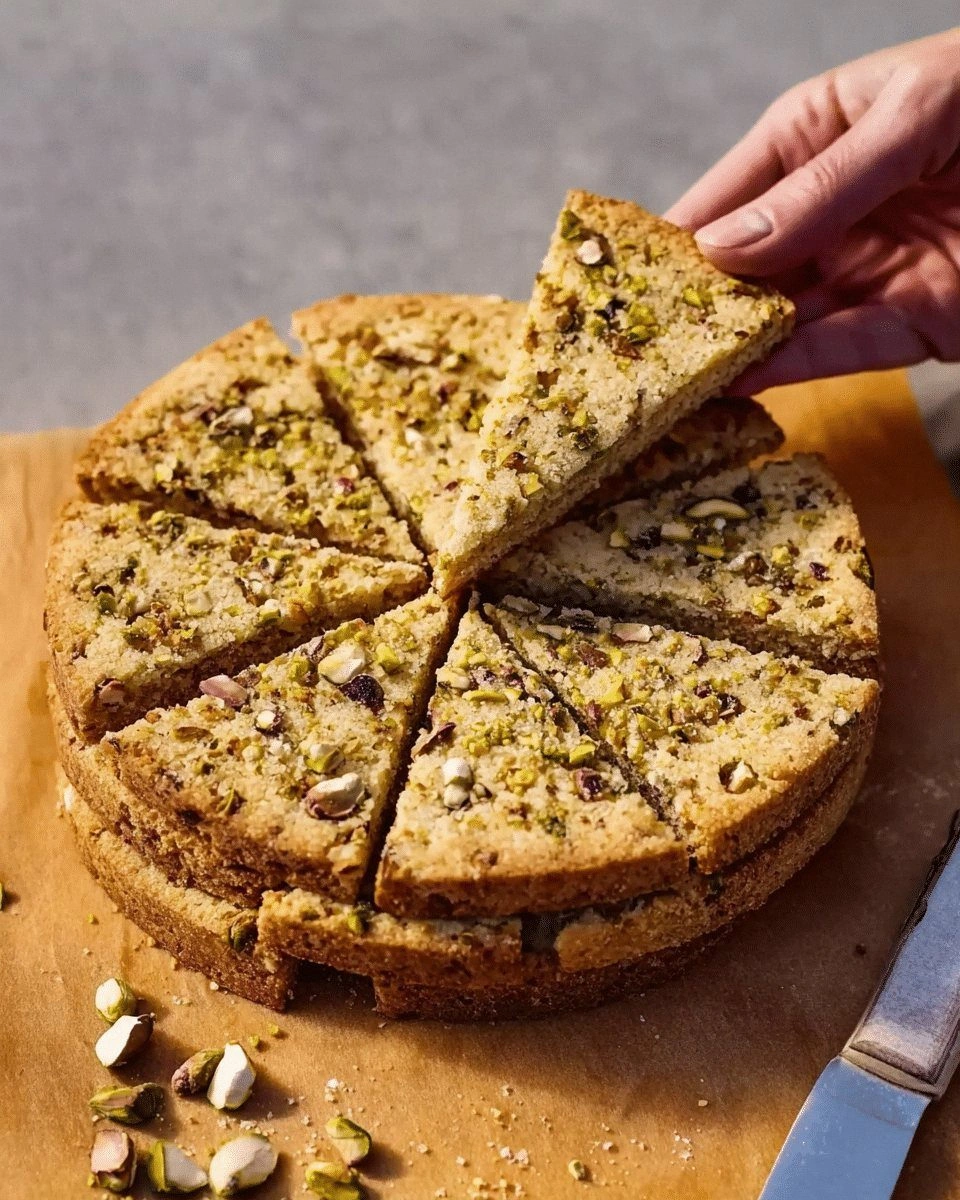
- Visual Appeal: The green pistachios provide a striking contrast against the golden crust, making the cookie look as good as it tastes.
- Ingredient Quality: Using high‑grade, unsalted butter and raw pistachios ensures the best flavor profile and avoids the bitterness that can come from processed nuts.
- Ease of Use: The recipe requires minimal equipment—just a mixing bowl, a spatula, and a baking sheet. No fancy gadgets needed.
- Make‑ahead Potential: The cookies can be stored in an airtight container for up to a week or frozen for longer, making them a perfect batch‑bake treat.
- Versatility: The salted pistachio base works wonderfully as a sweet‑savory snack or as an elegant dessert accompaniment.
- Guest Reaction: I’ve seen guests ask for the recipe after tasting these cookies—this is hands down the best version you’ll ever make at home.
Alright, let’s break down exactly what goes into this masterpiece…
Inside the Ingredient List
The Flavor Base
The foundation of any great shortbread is a simple yet powerful trio of butter, flour, and sugar. Butter provides richness and a silky mouthfeel; flour gives structure; powdered sugar adds a delicate sweetness that doesn’t overpower. If you skip the butter, the cookies will be dry and crumbly, lacking that buttery melt‑in‑your‑mouth quality. Swap the all‑purpose flour for a blend of whole wheat and pastry flour if you want a slightly nutty undertone, but keep the ratio the same to maintain texture.
The Texture Crew
Pistachios are the star of this cookie, but they’re also the key to achieving the right crumb. Toast them lightly to bring out their natural oils; this not only intensifies flavor but also prevents them from becoming soggy during baking. The nuts should be coarsely chopped so they’re evenly distributed. If you prefer a smoother bite, pulse them in a food processor until just broken, but avoid turning them into a paste. The sea salt is essential for balancing sweetness and enhancing the nutty notes—without it, the cookie tastes flat.
The Unexpected Star
Vanilla extract is a subtle but powerful enhancer that ties the nutty and buttery elements together. Even a teaspoon can elevate the cookie’s overall flavor profile. If you’re vegan or allergic, you can replace it with a splash of almond or hazelnut extract, which will add a different dimension. A pinch of salt—beyond the sea salt—helps bring out the sweetness and gives the cookie a satisfying finish.
The Final Flourish
A dusting of powdered sugar after baking gives the cookies a light glaze that melts into a soft, sweet coating. It also helps to balance the saltiness, creating a harmonious bite. If you’re watching calories, you can skip this step or use a sugar substitute; the cookie will still be delicious but with a slightly drier finish. Store the finished cookies in an airtight container to keep the sugar from clumping.
Everything’s prepped? Good. Let’s get into the real action…
The Method — Step by Step
- Preheat your oven to 350°F (175°C) and line a baking sheet with parchment paper. Let the oven warm up while you prepare the dough, because a hot oven ensures a crisp edge. The smell of butter melting will start to fill the kitchen, and that’s your cue that the dough is ready to come together.
- In a medium bowl, combine the flour and powdered sugar, whisking them together until evenly mixed. This step ensures the sugar is distributed, preventing pockets of sweetness that can burn. Keep the bowl covered with a clean towel to prevent the flour from drying out.
- Add the unsalted butter, cut into small cubes, to the flour mixture. Using a pastry cutter or your fingertips, work the butter into the flour until the mixture resembles coarse crumbs. The goal is to see small flecks of butter—this will give the cookie a tender crumb.
- Stir in the toasted pistachios, sea salt, and vanilla extract. Mix gently, ensuring the nuts are evenly distributed. At this point, the dough will be slightly sticky; that’s normal. If it feels too dry, add a teaspoon of water or milk.
- Press the dough into a 9x9‑inch pan, smoothing the top with a spatula. Use the back of a spoon to create a slight depression in the center; this helps the cookie bake evenly and gives it a classic shortbread look. The dough should be about ½‑inch thick.
- Bake for 25–30 minutes, or until the edges are golden brown and the center is set but still slightly soft. The cookie should smell buttery and nutty, and a gentle tap on the top will produce a hollow sound. Watch out: overbaking will dry out the pistachios, turning the cookie into a hard cracker.
- Remove from the oven and let the cookies cool in the pan for 10 minutes. This allows the structure to set, preventing them from breaking apart when you cut them. After the initial cool, transfer the cookies to a wire rack to finish cooling.
- Cut the cookies into squares or rectangles while still warm. The edges will be crisp, and the interior will be tender. Store any leftovers in an airtight container at room temperature for up to a week, or freeze for longer storage.
That's it — you did it. But hold on, I've got a few more tricks that'll take this to another level…
Insider Tricks for Flawless Results
The Temperature Rule Nobody Follows
Many bakers bake shortbread at 375°F, which can cause the cookies to brown too quickly on the edges while remaining pale inside. Baking at 350°F ensures a golden, even crust and a tender crumb. I once baked at 375°F and ended up with cookies that looked like they had been in the sun for days. The next time, I lowered the heat, and the result was flawless.
Why Your Nose Knows Best
Trust your senses. When the butter starts to sizzle in the pan, it’s a sign that the dough is at the right moisture level. If you hear a hissing sound, the dough is too dry and needs a splash of water. Conversely, a wet, sticky dough indicates you’re using too much liquid. In my experience, the smell of toasted nuts is the ultimate indicator of readiness.
The 5‑Minute Rest That Changes Everything
After baking, let the cookies rest for five minutes in the pan before transferring them to a wire rack. This short rest allows the steam to dissipate, preventing the cookies from becoming soggy. I’ve seen people skip this step and end up with cookies that crumble like paper. A quick rest makes the difference between a professional and an amateur batch.
The Secret to a Crispy Edge
If you love a crisp edge, lightly brush the top of the dough with a beaten egg white before baking. The egg white adds a glossy finish and a subtle crunch. I tried this once for a special occasion and the feedback was overwhelmingly positive. It’s a simple trick that elevates the cookie’s appearance and texture.
The Power of a Good Cookie Sheet
Using a heavy‑duty baking sheet ensures even heat distribution, preventing the cookies from spreading too thin. A light sheet can cause the edges to burn while the center remains undercooked. I swapped my old sheet for a new one last month and noticed an instant improvement in texture. It’s a small investment that pays off big time.
Creative Twists and Variations
This recipe is a playground. Here are some of my favorite ways to switch things up:
Chocolate‑Covered Pistachio Shortbread
Dip the cooled cookies in melted dark chocolate, then drizzle with sea salt. The bitterness of the chocolate balances the sweetness, creating a sophisticated flavor profile that pairs well with a glass of port.
Almond‑Infused Shortbread
Replace pistachios with toasted almonds for a different nutty note. The almond’s subtle sweetness complements the buttery base, making it a great accompaniment to afternoon tea.
Lemon‑Zest Shortbread
Add a tablespoon of lemon zest to the dough for a bright, citrusy twist. The lemon cuts through the richness, giving the cookie a refreshing finish.
Cardamom‑Spiced Shortbread
Stir in a pinch of ground cardamom for an exotic, aromatic flavor. The cardamom adds warmth and complexity, making the cookie feel like a holiday treat.
Savory Herb Shortbread
Omit the powdered sugar and add chopped rosemary or thyme. The result is a savory shortbread that’s perfect for pairing with cheese boards or charcuterie.
Vegan Pistachio Shortbread
Swap the butter for coconut oil and use a plant‑based powdered sugar substitute. The cookies will have a slightly different texture but will still be deliciously buttery and nutty.
Storing and Bringing It Back to Life
Fridge Storage
Store the cookies in an airtight container at room temperature for up to one week. The airtight seal prevents moisture from seeping in, keeping the cookies crisp. If the cookies feel a bit dry, a tiny splash of water on a paper towel in the container can restore some softness.
Freezer Friendly
Wrap the cookies individually in plastic wrap, then place them in a freezer bag. They’ll stay fresh for up to three months. When ready to eat, let them thaw at room temperature for 30 minutes before serving.
Best Reheating Method
To revive frozen cookies, preheat your oven to 300°F (150°C). Place the cookies on a parchment‑lined sheet and bake for 8–10 minutes. Add a tiny splash of water to the pan before reheating; it steams the cookies back to perfection, restoring their buttery softness.