Picture this: I’m halfway through a midnight snack, the fridge light flickering, and I’m staring at a pile of chicken thighs that look like they’ve been through a war. I pull out a bag of aji amarillo paste, a handful of cilantro, and a lime that’s been sitting in the corner for weeks. I decide, on a whim, to turn that chaos into something that could make my taste buds do the salsa. The result? A dish that feels like a passport stamp for your palate, with a creamy, herbaceous sauce that could make a seasoned Peruvian chef nod in approval.
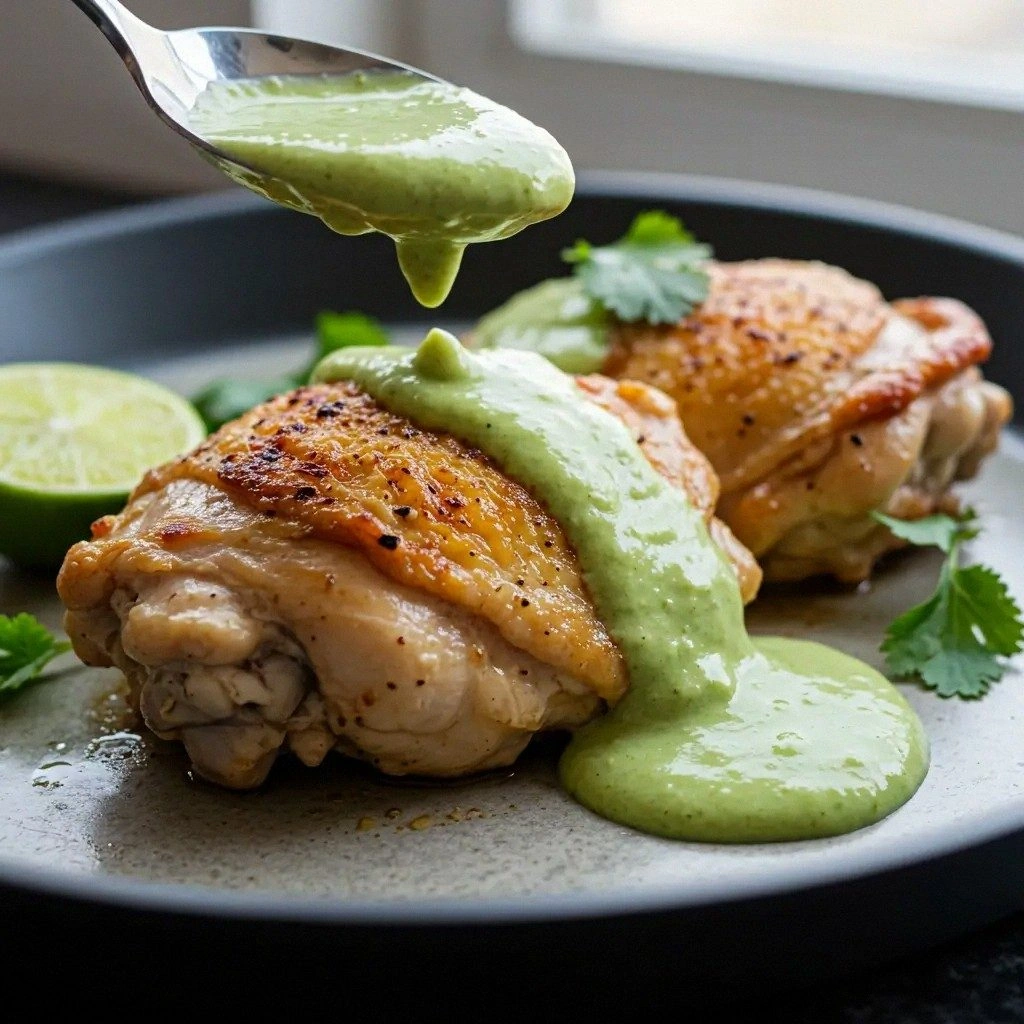
The first thing you notice is the aroma: a bright, citrusy tang from the lime, mingled with the earthy, peppery notes of aji amarillo and the sweet, nutty perfume of butter. The sound of the pan is a satisfying sizzle as the chicken sears, and the visual is a golden crust that promises a juicy interior. As you lift the first bite, the sauce coats the meat like velvet, then melts into a silky finish that clings to the back of your tongue. Every mouthful delivers a burst of heat, a splash of freshness, and a comforting richness that feels like a hug from the inside out.
What sets this version apart is not just the ingredients, but the way they’re orchestrated. I’ve tweaked the classic Peruvian recipe by introducing smoked paprika for depth, fresh oregano for brightness, and a splash of Parmesan to add a subtle umami layer. The chicken is marinated just long enough to absorb the flavors without becoming mushy, and the sauce is thickened with a touch of heavy cream and butter, giving it that luxurious mouthfeel. The result is a dish that’s simultaneously bold and balanced, a true crowd‑pleaser that will make your friends ask for a second plate.
There’s a secret twist that most people overlook: a small amount of lime zest added at the end of cooking. It brightens the sauce, cuts through the richness, and gives the dish a subtle sparkle that makes it feel fresh even after a few hours. I dare you to taste this and not go back for seconds. By the end of this guide, you’ll wonder how you ever made it any other way.
What Makes This Version Stand Out
- Flavor: The combination of aji amarillo, smoked paprika, and fresh oregano creates a layered taste profile that feels both exotic and comforting.
- Texture: The chicken is perfectly seared on the outside, tender inside, and the creamy sauce has a silky, coat‑like consistency.
- Visual Appeal: A vibrant green sauce that contrasts beautifully with the golden chicken.
- Ingredient Quality: Fresh, high‑quality herbs and aji paste make all the difference.
- Cooking Method: The quick sear plus slow simmer ensures the flavors meld without overcooking.
- Crowd Reaction: It’s the kind of dish that turns a simple dinner into a memorable gathering.
- Make‑Ahead Potential: The sauce can be reheated without losing its silky texture.
- Versatility: Works with chicken, fish, or even tofu for a vegetarian option.
Alright, let’s break down exactly what goes into this masterpiece…
Inside the Ingredient List
The Flavor Base
The heart of this dish starts with the chicken thighs, which are the main vehicle for the sauce’s flavors. Their fatty marbling ensures a juicy bite that stays moist even after a long simmer. If you’re using breasts, keep an eye on the cooking time to prevent them from drying out. The aji amarillo paste gives the sauce its signature heat; if you can’t find it, a mild green chili blended with a touch of paprika works as a substitute, though it will lack that distinct citrusy undertone.
The lime juice is essential for balancing the richness of the cream and butter. It adds a bright acidity that cuts through the fat and brightens the entire dish. A fresh lime is preferable to bottled; the zest adds a fragrant note that lingers on the palate. If you’re craving an extra kick, a squeeze of fresh chili at the end can elevate the heat without overpowering the herbaceous profile.
The Texture Crew
Heavy cream and butter are the dynamic duo that gives the sauce its silky, luxurious mouthfeel. The cream provides body while the butter adds depth and a subtle gloss. A pinch of Parmesan cheese not only thickens the sauce slightly but also introduces a savory umami undertone that rounds out the bright flavors. If you prefer a lighter version, substitute half the cream with Greek yogurt, but be sure to whisk it in slowly to avoid curdling.
Cilantro and oregano are the fresh green accents that keep the dish from feeling too heavy. They’re added at the end of cooking to preserve their bright, herbal notes. The chopped cilantro also offers a pleasant crunch that contrasts with the smooth sauce. If you’re not a fan of cilantro’s so‑called “soapy” taste, try swapping half the amount for fresh parsley, which gives a milder, cleaner flavor.
The Unexpected Star
Smoked paprika is the secret ingredient that gives this dish a subtle depth of flavor. Its smoky, sweet undertones complement the aji amarillo’s peppery heat and the lime’s acidity. A pinch of cumin adds a warm, earthy layer that feels grounded and comforting. Together, these spices create a complex backdrop that elevates the sauce from simple to unforgettable.
The optional mozzarella topping is a nod to the dish’s Peruvian roots, where cheese is often used to add creaminess and a slight melt. It also gives the dish a satisfying, melty texture that pairs wonderfully with the sauce. If you’re avoiding dairy, a sprinkle of nutritional yeast can provide a similar umami boost.
The Final Flourish
Chicken broth is added to loosen the sauce just enough to coat the chicken without thinning it out. It also helps lift the browned bits from the pan, turning them into a flavorful base. Salt and pepper are added to taste, but be cautious; the Parmesan and aji paste already contain salt, so you’ll want to season gradually. The final splash of lime zest at the end adds a burst of freshness that brightens the entire dish.
Everything's prepped? Good. Let's get into the real action...
The Method — Step by Step
- Begin by patting the chicken thighs dry with paper towels. This ensures a golden sear. Season both sides generously with salt, pepper, cumin, and smoked paprika. Let the chicken rest while you prepare the aromatics.
- Heat the olive oil in a large skillet over medium‑high heat. When the oil shimmers, add the chicken thighs skin‑side down. The sizzle should be audible and the surface should begin to brown within 3–4 minutes. Flip once the underside is a deep amber.
- Once both sides are seared, remove the chicken and set it aside. In the same pan, lower the heat to medium and add the minced garlic. Cook until fragrant, about 30 seconds, being careful not to burn it.
- Stir in the aji amarillo paste and a splash of chicken broth. Scrape the bottom of the pan to release all the browned bits that carry flavor. Let the mixture reduce slightly for 2 minutes.
- Add the heavy cream, butter, and grated Parmesan. Stir constantly until the butter melts and the sauce thickens. It should look glossy and cling to the back of a spoon.
- Return the chicken to the skillet, spooning some sauce over the top. Reduce the heat to low, cover, and let it simmer for 15 minutes. The chicken should reach an internal temperature of 165°F (74°C).
- Halfway through the simmer, sprinkle the chopped oregano and a drizzle of lime juice. The aroma will intensify, and the sauce will take on a fresh, bright character.
- When the chicken is cooked, remove the lid and let the sauce reduce for an additional 5 minutes until it coats the back of a spoon. Add the cilantro, lime zest, and optional mozzarella if using. Stir until the cheese melts into the sauce.
- Taste the sauce and adjust salt and pepper as needed. The balance should be bright, creamy, and slightly spicy.
- Serve immediately over rice, quinoa, or roasted potatoes, spooning generous amounts of sauce over each portion. Garnish with extra cilantro if desired.
That's it — you did it. But hold on, I've got a few more tricks that'll take this to another level...
Insider Tricks for Flawless Results
The Temperature Rule Nobody Follows
Cooking chicken at the right temperature is key to maintaining juiciness. Start with medium‑high heat for searing, then reduce to low for the simmer. If the pan gets too hot during the sauce reduction, the butter will separate and the sauce will become greasy. Keep the heat gentle to preserve the silky texture.
Why Your Nose Knows Best
Smell the sauce as it thickens. A faint, nutty aroma indicates that the butter is fully incorporated. If you detect a metallic or burnt scent, the sauce is overcooked. Trust your nose to tell you when it’s ready to serve.
The 5-Minute Rest That Changes Everything
After removing the chicken from the pan, let it rest for 5 minutes before slicing. This allows the juices to redistribute, keeping every bite moist. Cutting too soon can cause the juices to run out, leaving the meat dry.
The Secret of the Creamy Finish
If the sauce looks too thick, add a splash of chicken broth or a tablespoon of water. If it’s too thin, let it simmer uncovered for a few more minutes. The goal is a glaze that clings to the chicken without dripping.
The Fresh Herb Switch
Swap cilantro with basil for a sweeter, milder flavor. Basil pairs wonderfully with the lime and aji amarillo, creating a different yet equally delicious profile. Experiment to find your preferred herb balance.
The Quick Chill Trick
If you’re prepping ahead, cool the sauce to room temperature, then refrigerate. When reheating, add a splash of water or broth to restore moisture. This keeps the sauce creamy without becoming watery.
Creative Twists and Variations
This recipe is a playground. Here are some of my favorite ways to switch things up:
Tropical Twist
Add diced mango and a splash of coconut milk to the sauce. The fruit’s sweetness balances the heat, creating a dessert‑like main course. Serve over coconut rice for a beach‑in‑a‑bowl vibe.
Vegetarian Version
Replace chicken with thick slices of portobello mushroom or tofu. Marinate the protein in the same spice blend before cooking. The mushrooms absorb the sauce, delivering a meaty texture without the animal product.
Spicy Kick
Add a diced fresh green chili or a dash of hot sauce during the simmer. The extra heat will make the dish feel like a fiery adventure. Pair with a cooling yogurt dip to balance the spice.
Cheesy Enchilada
Wrap the cooked chicken in corn tortillas, top with the sauce, and bake until bubbly. Sprinkle with cheddar or Monterey Jack before serving. The result is a fusion of Peruvian and Mexican flavors.
Herb‑Infused Rice
Cook rice with a handful of cilantro and a pinch of oregano. The rice will absorb the herbs, creating a cohesive flavor profile that complements the chicken. It’s a simple way to elevate a side dish.
Garnish Galore
Finish with toasted pepitas, sliced avocado, or a drizzle of lime‑infused olive oil. Each garnish adds a new texture and a pop of color that makes the dish Instagram‑ready.
Storing and Bringing It Back to Life
Fridge Storage
Store the leftover chicken and sauce in an airtight container in the refrigerator for up to 3 days. The sauce will thicken slightly as it cools; reheat gently on the stove, adding a splash of water or broth to restore its silky consistency.
Freezer Friendly
For longer storage, freeze the dish in a freezer‑safe container for up to 2 months. Thaw overnight in the refrigerator before reheating. The sauce may separate after freezing, but a quick whisk will bring it back to life.
Best Reheating Method
Reheat on low heat, stirring frequently, and add a small amount of water or broth to keep the sauce from drying out. Heat until the chicken reaches 165°F (74°C) before serving. This method preserves the sauce’s creamy texture and bright flavors.