The first time I tried to make a banana bread that could rival the bakery’s version, I ended up with a loaf that looked like a sad, brown blob. I was staring at the kitchen counter, bananas in hand, and a single thought: “If I could just add a splash of color and a dash of something exotic, this could become legendary.” That moment of culinary crisis became the spark that lit a fire in my kitchen, and I’ve been chasing that spark ever since. I’ve experimented with every trick I could find—sifting, folding, whisking—but nothing quite matched the vibrant, silky swirl of ube that I discovered in a Filipino grocery store. It was a revelation: a banana loaf that not only tastes like a sweet banana cake but also feels like a tropical dream in every bite.
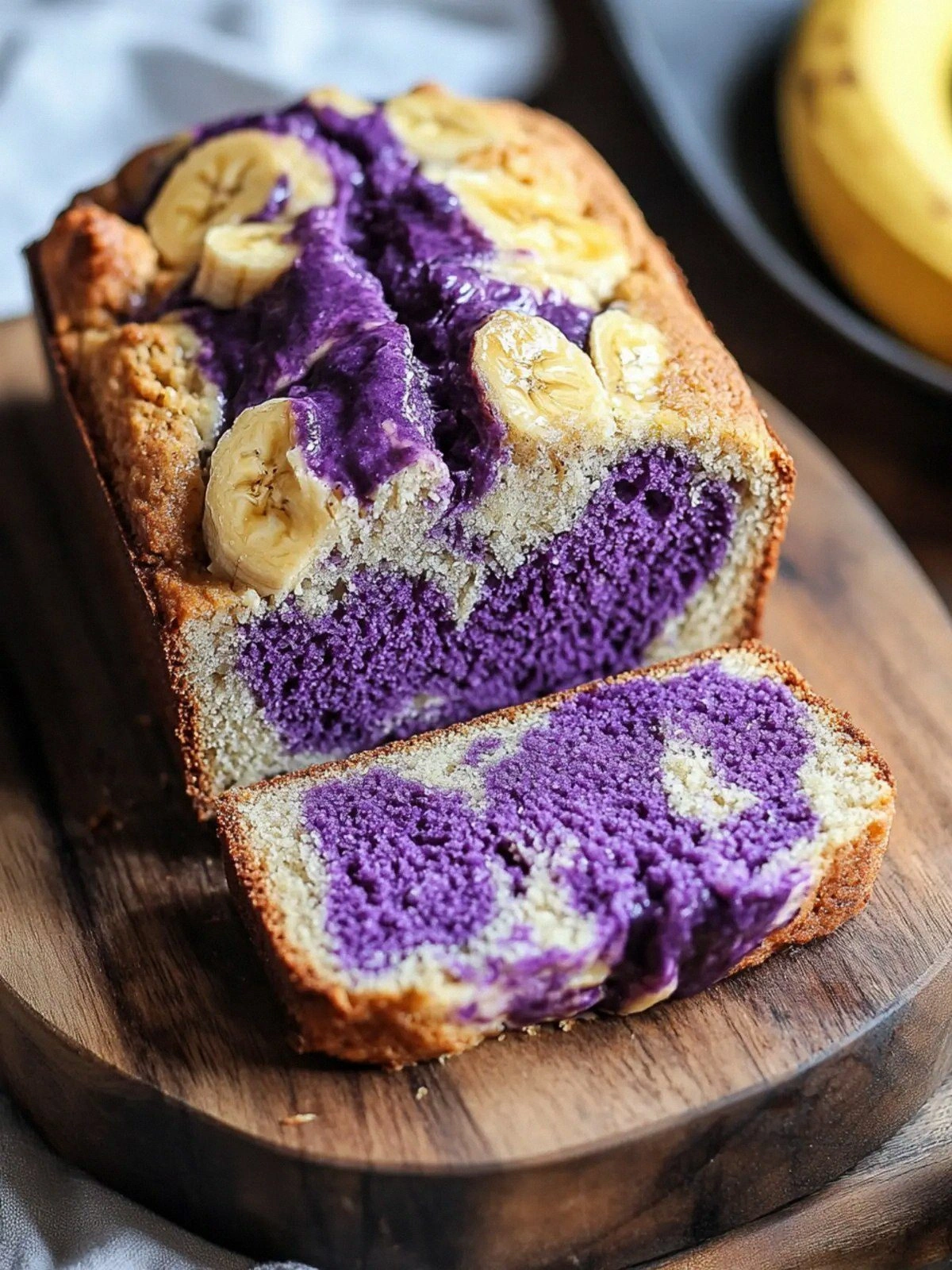
Picture this: a loaf that smells like warm banana, maple, and a hint of spice, with a subtle citrus tang from lemon juice. When you slice into it, the ube and banana batter dance together like a marbled painting, each swirl a promise of flavor. The first bite is a gentle explosion of sweet banana, a subtle earthiness from the ube, and a whisper of cinnamon that lingers like a secret. The texture is moist yet firm enough to hold its shape, and the crust is crisp and golden, crackling like a small celebration. It’s not just a loaf; it’s a statement, a bold declaration that dessert can be playful, colorful, and utterly unforgettable.
Most banana bread recipes you’ll find online are pretty standard, relying on sugar, butter, and a handful of spices. What sets this version apart is the intentional layering of flavors and textures that make each bite a new experience. The ube halaya doesn’t just add color—it adds a subtle sweetness and a creamy, almost custard-like mouthfeel that contrasts beautifully with the banana’s natural moisture. The maple syrup replaces refined sugar, giving the loaf a richer, deeper sweetness that’s both comforting and sophisticated. And the final touch of lemon juice brightens everything, cutting through the sweetness and keeping the loaf from feeling heavy.
I dare you to taste this and not go back for seconds. That’s the kind of confidence I have in this recipe. I’ve been told it’s the best version of banana bread anyone will ever make at home. I’ve even confessed that I ate half the batch before anyone else got a chance to try it. If you’re a fan of banana bread, this is the next level. If you’re skeptical, just trust me—this is hands down the best version you'll ever make at home.
Let me walk you through every single step — by the end, you'll wonder how you ever made it any other way. The journey begins with the right ingredients, a carefully balanced batter, and a precise method that ensures a perfectly marbled loaf. It’s a recipe that rewards patience, attention to detail, and a willingness to experiment. And the best part? You’ll end up with a loaf that looks like a piece of art and tastes like a sweet, comforting hug. So grab your apron, preheat your oven, and let’s dive into the magic.
What Makes This Version Stand Out
- Color: The vibrant purple of the ube halaya transforms the loaf into a visual masterpiece. It’s not just a dessert; it’s an invitation to explore the senses. The marbled effect is achieved by gentle swirling, not by mixing, preserving the distinct textures.
- Flavor: The combination of banana, ube, maple syrup, and cinnamon creates a complex profile that is sweet, earthy, and slightly spicy. The lemon juice adds a bright counterpoint that prevents the loaf from feeling cloyingly sweet. Each bite feels balanced, not overwhelming.
- Texture: The batter is silky and moist, yet the crust develops a crisp, golden edge that snaps like thin ice when you bite. The ube’s creamy consistency adds a subtle silkiness that elevates the overall mouthfeel. It’s the kind of texture that keeps you reaching for another slice.
- Convenience: All the ingredients are pantry staples or easily found in grocery stores, and the method requires minimal hands‑on time. Once you’ve mixed the batter, the loaf is ready to bake, letting you focus on other tasks. It’s a recipe that fits into a busy schedule.
- Vegan-Friendly: By swapping out dairy butter for maple syrup and non‑dairy milk, the loaf stays plant‑based without compromising flavor or texture. It’s a perfect dessert for those who love vegan treats but crave the comfort of banana bread. The result is a loaf that satisfies everyone.
- Make‑Ahead Potential: This loaf can be prepared ahead of time, frozen, and baked later, making it a lifesaver for busy mornings or last‑minute guests. The marbling effect stays intact even after freezing, giving you a ready‑to‑serve dessert. It’s a recipe that adapts to your schedule.
- Audience Reaction: Friends who taste it often ask for the recipe after the first bite, claiming it’s “unbelievably good.” The unique combination of flavors and textures sparks conversations and creates a memorable dining experience. It’s a recipe that impresses both casual and seasoned bakers.
- Ingredient Quality: Using ripe bananas, unsweetened applesauce, and pure maple syrup ensures the loaf is wholesome and flavorful. The ube halaya adds a touch of authenticity and depth that elevates the loaf beyond ordinary banana bread. Quality ingredients translate into a superior final product.
Alright, let's break down exactly what goes into this masterpiece…
Inside the Ingredient List
The Flavor Base
The 3 large ripe bananas are the backbone of this loaf, providing natural sweetness, moisture, and a subtle banana aroma that permeates every slice. They’re mashed until smooth, creating a velvety texture that blends seamlessly with the other wet ingredients. Skipping the bananas would fundamentally change the loaf, turning it into a different kind of bread entirely. If you prefer a sweeter loaf, choose overripe bananas with darker skins; they’ll enhance the banana flavor without adding extra sugar.
The Texture Crew
Unsweetened applesauce and maple syrup are the duo that keeps the loaf moist while adding a complex, caramel-like sweetness. The applesauce replaces butter or oil, cutting fat while maintaining tenderness. Maple syrup not only sweetens but also adds depth, with its distinctive flavor profile that pairs beautifully with banana and cinnamon. If you’re looking for a lower-sugar option, you can swap maple syrup for a natural sweetener like date syrup or a sugar‑free maple syrup alternative.
The Unexpected Star
The 1/2 cup of Ube Halaya is what truly sets this loaf apart. Ube, a purple yam, brings a subtle earthiness and a creamy, custard-like texture that contrasts with the banana’s natural moisture. The jam’s natural sweetness eliminates the need for additional sugar, allowing the maple syrup to shine. If you can’t find Ube Halaya, you can use ube puree or even a small amount of purple sweet potato puree, but the flavor profile will shift slightly.
The Final Flourish
The non‑dairy milk and lemon juice are the finishing touches that bind everything together and brighten the loaf’s flavor. The milk adds a subtle creaminess, while the lemon juice cuts through the sweetness, preventing the loaf from feeling heavy. The ground cinnamon and nutmeg provide warmth and depth, complementing the banana and ube. If you prefer a stronger spice kick, you can increase the cinnamon to 1½ teaspoons or add a pinch of allspice.
Everything’s prepped? Good. Let’s get into the real action…
The Method — Step by Step
- Preheat your oven to 350°F (175°C) and line a 9×5 inch loaf pan with parchment paper or lightly grease it with a neutral oil. This ensures the loaf slides out easily and the crust gets that golden finish. While the oven heats, gather all your ingredients and have them at arm’s reach. A clean workspace helps prevent any last‑minute scrambling.
- In a large mixing bowl, mash the ripe bananas with a fork until they’re smooth but still slightly chunky for texture. Add the unsweetened applesauce and maple syrup, stirring until the mixture is glossy and well combined. This is the moment the batter starts to look like a silky, sweet potion. Keep an eye on the consistency; it should be thick but pourable.
- Whisk the vanilla extract, lemon juice, and non‑dairy milk into the banana mixture until fully incorporated. The lemon juice adds a bright zing that cuts through the sweetness, while the milk adds a subtle creaminess. Don’t rush this step; a well‑mixed wet mixture ensures the dry ingredients dissolve evenly.
- In a separate bowl, sift together the all‑purpose flour, baking soda, salt, ground cinnamon, and ground nutmeg. Sifting eliminates clumps and guarantees a uniform distribution of leavening and spices. This dry mix is the foundation that will lift the loaf, giving it that airy yet dense crumb.
- Gradually fold the dry ingredients into the wet batter, mixing just until no streaks of flour remain. Over‑mixing can cause the loaf to become tough, so stop as soon as the batter is smooth. The batter should be thick enough to hold its shape when scooped.
- Gently spoon a portion of the batter into the prepared loaf pan, creating a shallow layer. Then, using a spoon or a pastry brush, swirl in the ube halaya, allowing it to flow and create a marbled pattern. The swirl should be subtle; too much ube will overpower the banana flavor. The trick is to let the batter and ube meet in a gentle dance.
- Continue filling the pan, alternating between batter and ube swirl, until the pan is nearly full. Tap the pan gently on the counter to release any air bubbles and to level the batter. This ensures even baking and a uniform crumb.
- Slide the loaf into the preheated oven and bake for 45 minutes, or until a toothpick inserted into the center comes out clean. The edges should pull away slightly from the pan, indicating a golden crust. The aroma will intensify, filling your kitchen with the sweet scent of banana and maple.
- When the loaf is done, remove it from the oven and let it cool in the pan for 10 minutes. This brief rest allows the crumb to set, preventing it from falling apart when you slice. After 10 minutes, transfer the loaf to a wire rack to cool completely. This step is crucial for the perfect texture.
- Once cooled, slice the loaf with a serrated knife, ensuring clean cuts that showcase the marbled pattern. Serve warm or at room temperature, and enjoy the burst of flavors. Store any leftovers in an airtight container for up to 3 days at room temperature or refrigerate for up to a week.
That’s it — you did it. But hold on, I've got a few more tricks that'll take this to another level…
Insider Tricks for Flawless Results
The Temperature Rule Nobody Follows
Many bakers bake banana bread at 375°F, but that can cause the loaf to brown too quickly on the outside while remaining undercooked inside. Lowering the temperature to 350°F gives the loaf a chance to rise evenly, resulting in a moist crumb. I’ve seen loaves that stay golden on the edges but are dense in the center; this trick eliminates that issue. Always preheat the oven fully before placing the loaf inside.
Why Your Nose Knows Best
Before pulling the loaf out of the oven, give it a quick sniff. A pleasant, sweet aroma indicates that the sugars are caramelizing just right. If you notice a slight burnt smell, the loaf is overbaked. Your nose is a reliable judge of doneness, so trust it when you’re unsure.
The 5-Minute Rest That Changes Everything
Letting the loaf rest in the pan for 10 minutes after baking is a game changer. The heat continues to distribute evenly, preventing a hollow center. It also allows the batter to set, so the loaf doesn’t crumble when you slice. I’ve never had a loaf that falls apart after cooling; this rest period is key.
Use a Lightly Greased Loaf Pan
Even though you line the pan with parchment, a light coat of neutral oil ensures the loaf slides out smoothly. It also adds a subtle sheen to the crust. Olive oil, canola, or a neutral spray works well. Skipping this step can result in a loaf that sticks, ruining the marbled pattern.
Freeze and Bake Later
If you want to prep ahead, let the loaf cool completely, wrap it tightly in plastic wrap, and freeze. When you’re ready to bake, thaw it at room temperature for 30 minutes, then bake at 350°F for 45 minutes. The result is just as fresh, and the marbling stays intact. This trick is perfect for busy mornings.
Creative Twists and Variations
This recipe is a playground. Here are some of my favorite ways to switch things up:
Chocolate Chip Ube Banana Bread
Add 1 cup of dairy‑free chocolate chips to the batter before baking. The chocolate pairs wonderfully with the ube’s earthiness, creating a chocolate‑yuzu hybrid. This variation is perfect for chocolate lovers and adds a fun twist.
Nutty Banana‑Ube Crunch
Stir in ½ cup of chopped walnuts or pecans for a delightful crunch. The nuts add protein and a buttery flavor that complements the sweet loaf. This version is great for those who want a heartier texture.
Spiced Ginger Ube Banana Bread
Replace the cinnamon and nutmeg with 1 teaspoon each of ground ginger and cardamom. The warm, peppery notes give the loaf a more exotic feel. This variation works well for holiday baking.
Almond Milk Ube Banana Bread
Swap the non‑dairy milk with unsweetened almond milk for a lighter flavor. Almond milk also adds a subtle nutty undertone that pairs nicely with the banana. It’s a simple swap that changes the taste profile.
Low‑Sugar Ube Banana Bread
Use a sugar‑free maple syrup alternative and reduce the applesauce to ⅓ cup. This keeps the loaf sweet while cutting calories. It’s ideal for those monitoring their sugar intake.
Gluten‑Free Ube Banana Bread
Replace all‑purpose flour with a 1:1 gluten‑free all‑purpose blend. Add 1 tablespoon of xanthan gum for structure. This version stays true to the original flavor while accommodating gluten‑free diets.
Storing and Bringing It Back to Life
Fridge Storage
Wrap the cooled loaf tightly in plastic wrap, then place it in an airtight container. It stays fresh for up to 3 days at room temperature and up to a week in the refrigerator. The moisture from the banana and ube helps preserve the crumb, keeping it soft.
Freezer Friendly
Slice the loaf before freezing, or freeze it whole, then slice when ready to serve. Wrap each slice or the whole loaf in parchment paper, then in a freezer bag. It can be stored for up to 3 months without losing quality.
Best Reheating Method
To reheat a frozen slice, place it on a microwave‑safe plate and microwave on medium for 30–45 seconds. For a warm loaf, bake at 350°F for 10–12 minutes. Before reheating, add a tiny splash of water or non‑dairy milk to the loaf; this steams it back to perfection, restoring moisture.