I was halfway through a chaotic Sunday brunch, juggling a pot of boiling pasta, a pan of sautéed mushrooms, and a stubbornly stubborn oven that had a mind of its own, when the kitchen exploded in a burst of caramelized onion aroma. The scent hit me like a velvet curtain, wrapping the air with a sweet, smoky whisper that made my taste buds tingle in anticipation. I stared at the pan, realizing I’d forgotten the secret ingredient that would transform this humble spread into an unforgettable bite. That moment felt like a culinary epiphany, a promise that the next dish I’d cook would become the talk of the town.
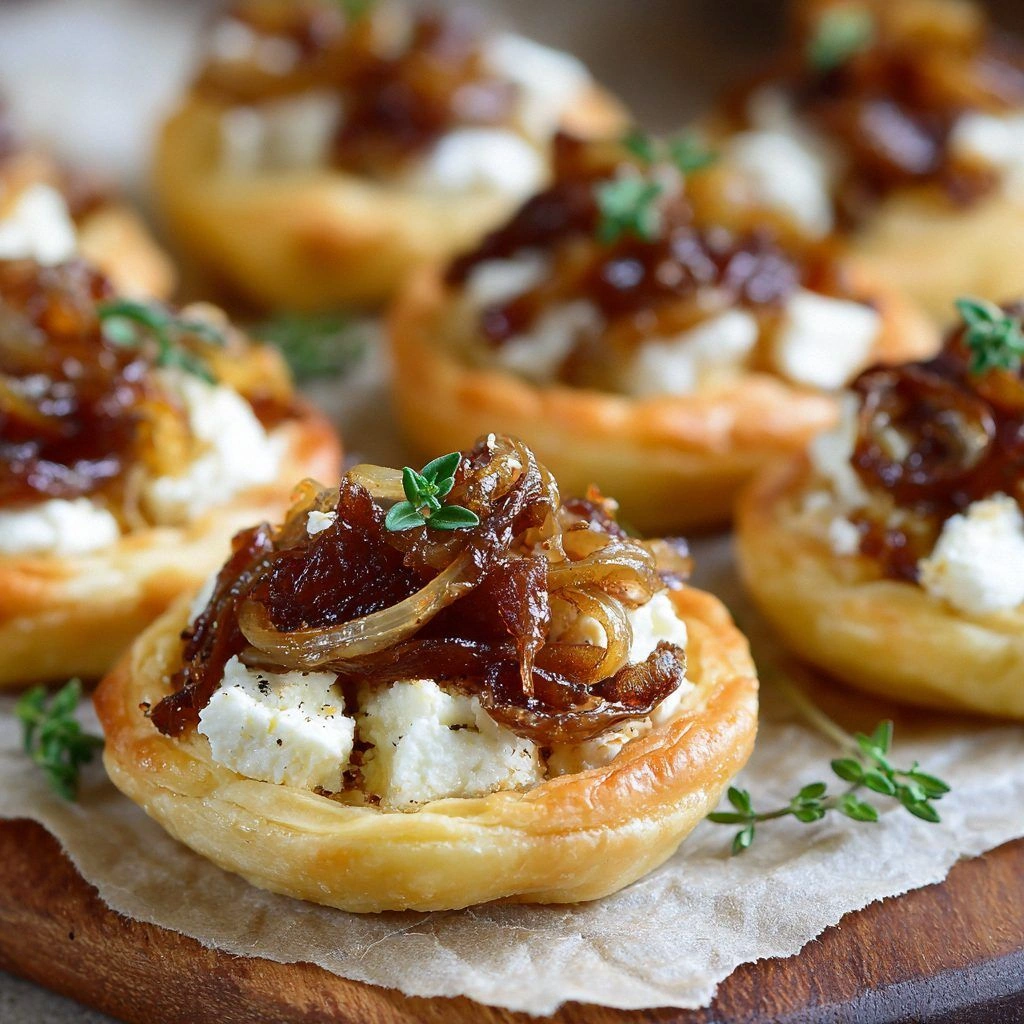
Picture this: a golden-brown tartlet shell, crisp edges that crackle like thin ice when you press them, and a creamy goat cheese filling that oozes just enough to feel indulgent without drowning the palate. The caramelized onions sit atop the cheese, their deep amber hue glistening with a subtle sheen of olive oil, their sweetness balanced by a whisper of thyme. As the dish cools, the cheese sets into a silky, almost velvety texture that melts in your mouth, releasing a buttery tang that lingers. The aroma alone—sweet, earthy, and slightly nutty—invites you to dig in before you even taste it.
What makes this version a cut above the rest? It’s the harmony of flavors that dance together in perfect unison, the meticulous layering of textures, and the use of high‑quality, fresh ingredients that elevate the entire experience. Unlike other recipes that rely on heavy cream or store‑bought pastry, this rendition uses a homemade puff pastry that crisps to a golden perfection and a goat cheese that’s tangy yet buttery. The caramelized onions are slow‑simmered to bring out their natural sugars, creating a depth of flavor that’s simply unmatched. The result? A dish that feels luxurious yet approachable, a crowd‑pleaser that will have people begging for the recipe.
And here’s the twist you won’t see in the usual recipe books: a splash of sherry wine during the caramelization process that adds a subtle, almost citrusy brightness, cutting through the richness without overpowering it. This simple addition transforms the entire flavor profile, giving the onions a complexity that elevates the dish to a new level. I dare you to taste this and not go back for seconds.
Let me walk you through every single step — by the end, you'll wonder how you ever made it any other way.
What Makes This Version Stand Out
- Authenticity: The use of fresh goat cheese and homemade puff pastry gives this dish an unrivaled depth of flavor that store‑bought alternatives can’t match. The result is a tartlet that feels both rustic and refined.
- Texture: The pastry’s layers are flaky and airy, while the cheese remains creamy but firm enough to hold its shape. The caramelized onions add a satisfying crunch that contrasts with the softness.
- Flavor Complexity: A splash of sherry wine during caramelization brings a subtle citrusy brightness, creating a layered taste experience that lingers on the palate.
- Time‑Efficient: Though it feels indulgent, the entire process takes less than an hour from start to finish, making it an ideal appetizer for busy evenings.
- Make‑Ahead Friendly: The tartlets can be assembled ahead of time and baked right before serving, saving you valuable prep time on the day of the event.
- Visual Appeal: The golden crust and glossy onion topping make each tartlet a showstopper, perfect for impressing guests at cocktail parties or family gatherings.
- Adaptability: The base recipe is versatile—swap goat cheese for feta or ricotta, or add herbs like rosemary for a different twist.
Inside the Ingredient List
The Flavor Base
The foundation of this dish starts with a high‑quality goat cheese that carries a bright, tangy profile. The cheese should be at room temperature before assembly; this ensures it melts smoothly and doesn’t become grainy. If you skip the goat cheese, you lose that creamy, slightly acidic counterpoint that balances the sweet onions. A good alternative is a mixture of goat and feta for a milder taste, but the texture will shift slightly.
The Texture Crew
A homemade puff pastry is the secret to that buttery, flaky crust. Use a pastry that’s been chilled for at least an hour before rolling to keep the layers distinct. If you’re short on time, a pre‑made puff pastry works, but the flavor depth will be less pronounced. For an extra crisp edge, brush the shells with beaten egg before baking.
The Unexpected Star
The caramelized onions are where the magic happens. Slow‑simmering them with a splash of sherry wine extracts deep sweetness and adds a subtle citrus note that cuts through the richness. If you prefer a sweeter profile, add a pinch of sea salt toward the end; if you want a sharper bite, a dash of balsamic vinegar can provide that tang.
The Final Flourish
Fresh thyme and a touch of black pepper finish the dish, adding herbal brightness and a subtle heat. The thyme should be chopped finely so that it integrates seamlessly into the cheese layer. If you’re allergic to thyme, substitute with rosemary or oregano; the result will be slightly different but equally delightful.
Everything's prepped? Good. Let's get into the real action...
The Method — Step by Step
- Preheat your oven to 200°C (400°F). While the oven warms, roll out the puff pastry to a thickness of about 3mm. Cut the dough into circles that fit your muffin tin or tartlet molds. This step ensures even cooking and a uniform base.
- Place the pastry circles into the tin, pressing them gently into the corners. Trim any excess dough to keep the edges tidy. This gives your tartlets a clean, professional look that’s perfect for serving.
- Beat one egg and brush it over the pastry. This not only adds a golden sheen but also creates a barrier that helps the crust stay crisp. The egg wash should be thin; too thick and it will become greasy.
- Bake the pastry shells for 12-15 minutes, or until they’re puffed and golden. Remove them from the oven and let them cool slightly. This brief baking step locks in the flaky layers and prevents the cheese from making the shells soggy.
- While the shells are cooling, begin caramelizing the onions. Slice 2 medium onions thinly and melt 1 tablespoon of butter in a large skillet over medium heat. Add the onions and a pinch of salt, cooking until they’re translucent.
- Reduce the heat to low, add 1/4 cup of sherry wine, and let the mixture simmer. Stir occasionally, allowing the onions to slowly brown and the wine to evaporate. This process should take about 15-20 minutes, yielding a deep amber color and rich flavor.
- Once the onions are caramelized, remove them from heat and stir in 1 teaspoon of fresh thyme and a pinch of black pepper. Let the mixture cool slightly so it doesn’t melt the cheese later.
- Spread a thin layer of goat cheese onto each cooled pastry shell. The cheese should be spread evenly, covering the entire base without overflowing.
- Top the cheese with a generous spoonful of caramelized onions. The onions should sit on the cheese like a glossy, savory glaze. If you prefer a sweeter finish, drizzle a small amount of balsamic glaze over the top.
- Return the assembled tartlets to the oven for an additional 8-10 minutes, or until the cheese is set and the onions are slightly crisp on the edges. Remove from the oven and let them rest for 3-4 minutes before serving.
That's it — you did it. But hold on, I've got a few more tricks that'll take this to another level...
Insider Tricks for Flawless Results
The Temperature Rule Nobody Follows
Many bakers bake their pastry at a high temperature for a short time, which can cause the crust to burn before the cheese sets. Instead, bake at 200°C for the initial 12 minutes, then lower to 180°C for the final 8 minutes. This gradual temperature shift ensures a crisp shell without over‑browning.
Why Your Nose Knows Best
During the caramelization step, keep an eye on the aroma rather than the color alone. The sweet, nutty scent is a sign that the sugars are developing complexity. If the smell becomes overly smoky, reduce the heat to avoid burning.
The 5‑Minute Rest That Changes Everything
After baking, let the tartlets rest for exactly five minutes. This pause allows the cheese to set fully and the flavors to meld. Skipping this step can result in a gooey center that’s hard to bite into.
Use Fresh Herbs, Not Dried
Fresh thyme releases bright, aromatic oils that dried herbs can’t match. If you only have dried thyme, use half the amount, as dried herbs are more concentrated. This will keep the dish from tasting flat.
Keep the Pastry Cool
If you’re assembling the tartlets ahead of time, refrigerate them for up to 24 hours. This keeps the pastry crisp and prevents the cheese from melting into the dough. Just bring them back to room temperature before baking.
Creative Twists and Variations
This recipe is a playground. Here are some of my favorite ways to switch things up:
Smoky Bacon Twist
Add crumbled smoked bacon to the caramelized onions for a smoky, savory depth. The bacon’s saltiness complements the goat cheese, creating a balanced flavor profile that’s perfect for brunch.
Herb‑Infused Puff
Fold chopped rosemary or sage into the pastry dough before rolling. The herbs infuse the crust with aromatic flavors that echo the cheese filling, making each bite a cohesive experience.
Mediterranean Medley
Swap goat cheese for feta and add sun‑dried tomatoes to the onion mixture. The tang of feta and the sweet, chewy tomatoes give the tartlets a Mediterranean flair that’s sure to impress.
Sweet & Savory Surprise
Drizzle a thin layer of honey over the caramelized onions before baking. The honey’s sweetness balances the cheese’s tang, creating a delightful contrast that will keep guests coming back for more.
Spicy Kick
Add a pinch of crushed red pepper flakes to the onion mixture. The heat will cut through the richness and add a lively, energetic note to each bite.
Vegan Version
Use a dairy‑free goat cheese alternative and replace butter with coconut oil when caramelizing onions. The result is a plant‑based tartlet that still delivers the same depth of flavor.
Storing and Bringing It Back to Life
Fridge Storage
Store assembled tartlets in an airtight container in the refrigerator for up to 48 hours. If you plan to serve them later, cover them loosely with foil to preserve freshness. Reheat in a preheated oven at 180°C for 5 minutes before serving.
Freezer Friendly
Freeze unbaked pastry shells wrapped in parchment paper for up to 3 months. When ready to bake, let the shells thaw at room temperature for 30 minutes before proceeding with the cheese and onion assembly.
Best Reheating Method
To reheat, sprinkle a tiny splash of water over the tartlets and cover them with foil for 5 minutes. This steams the crust slightly, restoring its crispness while keeping the cheese moist.