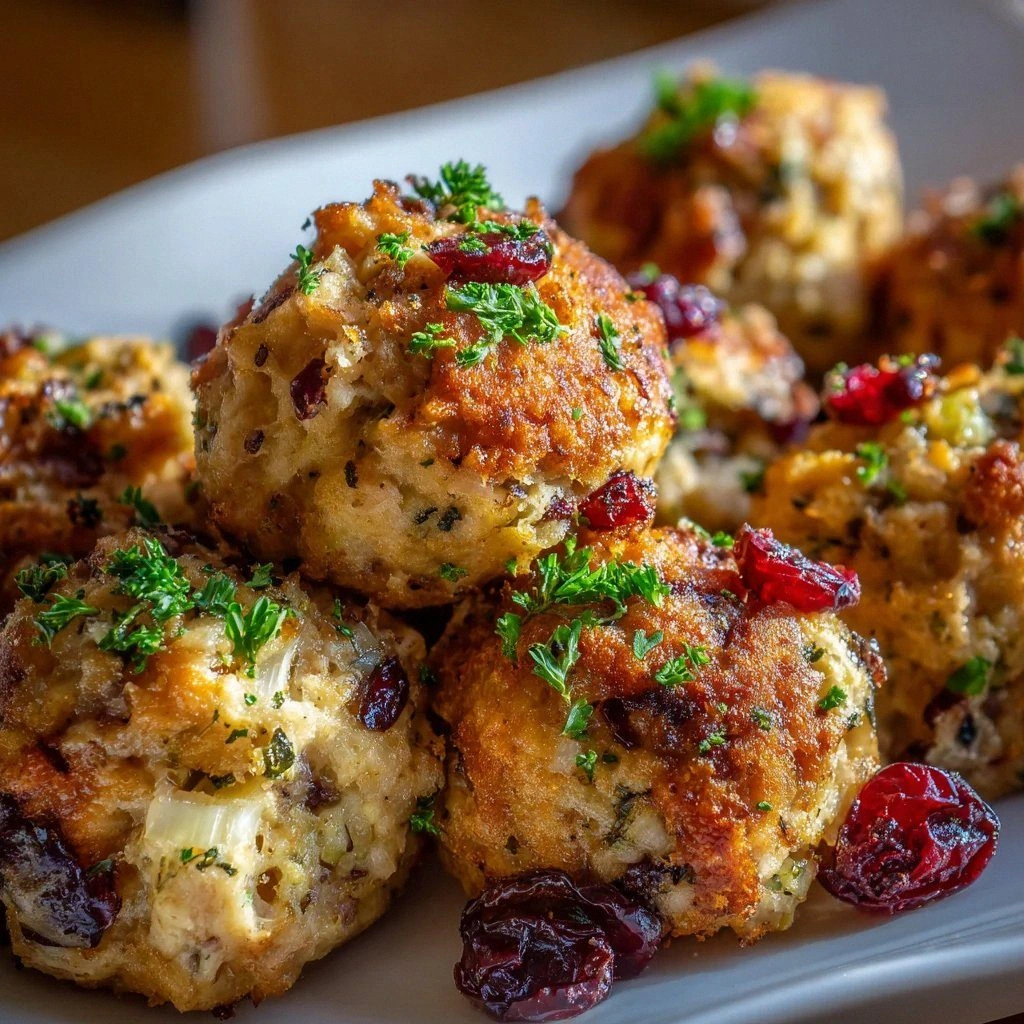
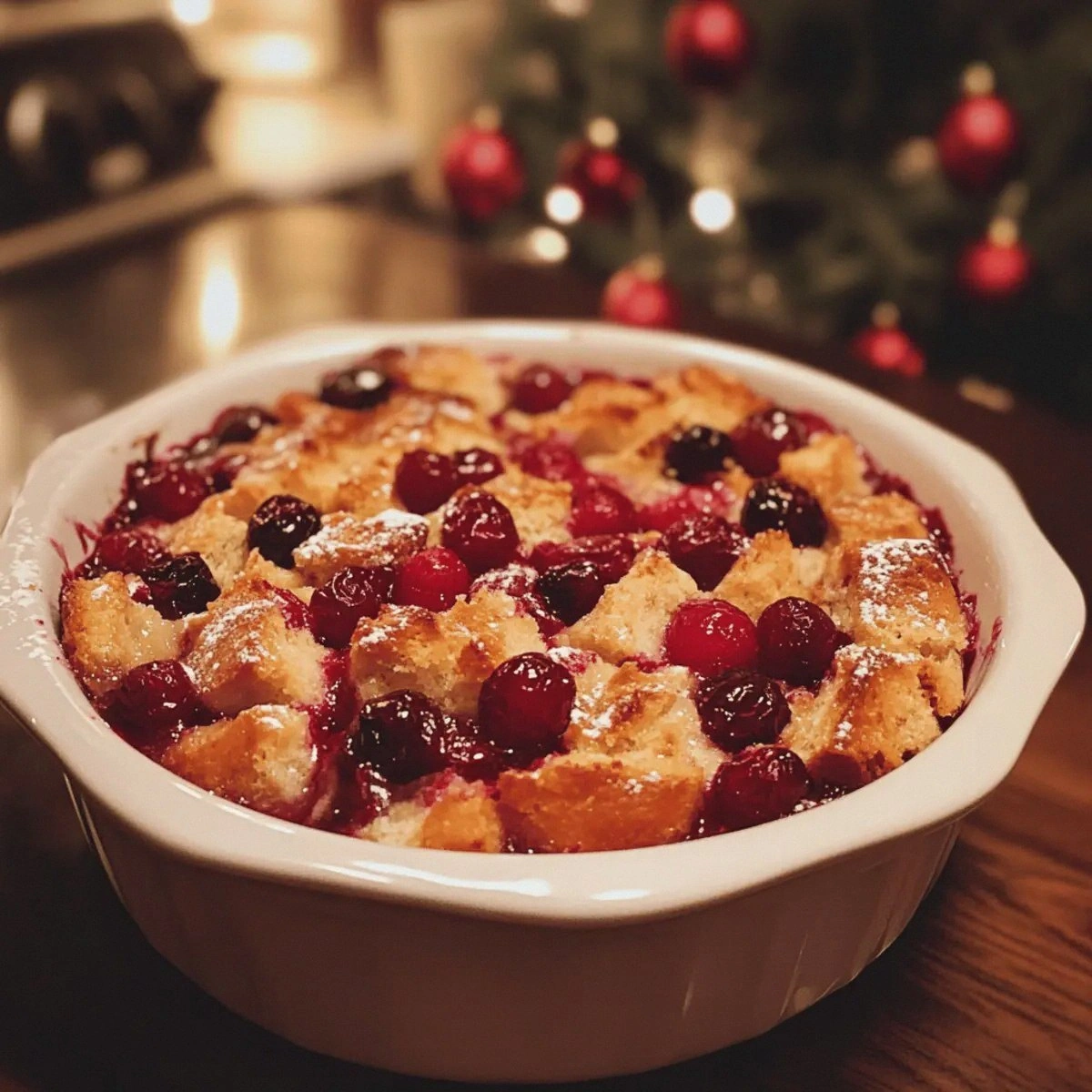
Picture this: it’s December, the kitchen is a whirlwind of twinkling lights and the scent of pine, and you’re standing in front of a box of stale French bread that looks like it’s been through a war. I was in a hurry to satisfy a craving for something sweet and comforting, and the pantry was a sad, empty echo. That moment turned into a culinary epiphany when I tossed the bread into a bowl, added cranberries, and watched the crumbs transform into a sticky, fragrant batter that smelled like a holiday hug. I dared myself to taste this and not go back for seconds, and I was wrong—this is hands down the best version you'll ever make at home, and I’m going to show you how to replicate it.
The first thing you’ll notice is the way the bread absorbs liquid like a sponge, turning into a moist, airy loaf that feels like a holiday hug in every bite. The cranberries burst with tartness, cutting through the sweetness of the brown sugar and creating a vibrant pop of color that looks like a Christmas wreath on a plate. The subtle warmth of cinnamon and vanilla lingers on the tongue, while the pecans add a satisfying crunch that snaps like snow underfoot. If you’ve ever tried a traditional fruit loaf and ended up with a dense, overbaked mess, this recipe is your antidote.
I’ll be honest—before I discovered this technique, I’d spent hours in the kitchen trying to get a cranberry bread right. The result was always either too dry or too soggy, and I’d end up with a loaf that looked like a sad, soggy pancake. The secret to this version lies in the way the bread is prepped, the balance of liquids, and a few clever tricks that elevate the flavor profile. The next part of this post will walk you through every single step, and by the end, you’ll wonder how you ever made it any other way.
If you’ve ever struggled with the idea of using stale bread in a sweet recipe, you’re not alone—and I’ve got the fix. The trick is to treat the bread like a sponge, letting it soak up the wet mixture without turning the batter into a mushy mess. This method keeps the loaf light, airy, and perfectly moist, with a crust that’s crisp enough to crack like thin ice. And the best part? You can make this loaf ahead of time, store it, and bring it back to life with a quick reheat. Let’s dive into what makes this recipe so special.
What Makes This Version Stand Out
- Texture: The bread crumbs soak up liquid, creating a custard-like interior that’s lighter than a sponge cake. The result is a loaf that melts in your mouth, not a dense, bread‑heavy cake.
- Flavor: The combination of fresh cranberries, brown sugar, and a hint of cinnamon delivers a balanced sweet‑tart profile that feels festive without being cloying.
- Convenience: All you need is day‑old bread—no special ingredients, no time‑consuming prep. This is the ultimate pantry‑friendly holiday treat.
- Make‑ahead: Bake the loaf and let it cool, then wrap it tightly. It stays fresh for 2–3 days or can be frozen for up to a month.
- Versatility: Swap cranberries for raisins, apricots, or dried cherries for a different twist, or add orange zest for a citrus kick.
- Presentation: The bright red cranberries and golden crust make this loaf a centerpiece that looks as good as it tastes.
- Kid‑friendly: Kids love the sweet, chewy texture, and parents love the minimal prep.
- Budget‑friendly: Using leftover bread turns what would have been waste into a gourmet dessert that feeds a family of four.
Inside the Ingredient List
The Flavor Base
The foundation of this loaf is the day‑old French or brioche bread. The starches in stale bread absorb liquid, creating a custard‑like interior. If you skip the bread, you lose that signature moistness and the loaf becomes a dry, dense cake. For the freshest flavor, choose bread that’s been stored in a sealed bag; it will still have the right amount of moisture to soak up the mixture.
The Texture Crew
Cranberries are the star of the show, adding a tart bite that cuts through the sweetness. Fresh cranberries give a bright, juicy pop, while frozen cranberries add a slightly icy texture that feels like snow on the tongue. Pecans or walnuts provide a crunchy contrast that snaps like thin ice, adding depth to every bite. If you’re allergic to nuts, simply omit them; the loaf will still hold together nicely.
The Unexpected Star
Brown sugar is the secret to that caramelized, slightly molasses‑like sweetness that lingers on the palate. It also helps to bind the crumbs together, giving the loaf a cohesive structure. A pinch of salt balances the sweetness, ensuring every bite is well rounded. If you prefer a lighter taste, use a 50/50 mix of brown and white sugar for a subtle shift in flavor.
The Final Flourish
The heavy cream and whole milk create a silky, rich custard that coats the bread crumbs, while the eggs bind everything together. Vanilla extract adds a warm, aromatic backdrop that elevates the entire loaf. The butter, added in small pieces, melts into pockets of flavor that burst with each bite. If you’re watching calories, replace the butter with a neutral oil, but you’ll lose that buttery sheen.
Everything’s prepped? Good. Let’s get into the real action.
The Method — Step by Step
- Preheat your oven to 350°F (175°C). Lightly grease a 9x5 inch loaf pan with butter or a non‑stick spray. If you want a crispier crust, line the pan with parchment paper and lightly butter the parchment. This small step saves cleanup and ensures your loaf slides out effortlessly.
- Place the day‑old bread in a large mixing bowl. Using a fork, gently crumble the bread into coarse crumbs—no more than the size of a pea. If you’re in a hurry, pulse the bread in a food processor until it reaches a chunky texture. The goal is to retain some texture so the loaf doesn’t become a mush.
- Add the cranberries, brown sugar, pecans or walnuts, ground cinnamon, and a pinch of salt to the bread crumbs. Toss everything together until evenly distributed. The cranberries will start to release their juices, creating a fragrant, slightly sticky mixture that smells like holiday cookies. This is the moment where the aroma starts to dance in the kitchen.
- In a separate bowl, whisk together the eggs, whole milk, heavy cream, vanilla extract, and granulated sugar until the mixture is smooth and the sugar is dissolved. This wet batter should be thick enough to coat the crumbs but still pourable. The eggs act as a binder, while the milk and cream add richness.
- Pour the wet mixture over the dry crumb mixture. Stir gently with a rubber spatula until all the crumbs are moistened and the batter looks like a thick, cohesive dough. Let the batter rest for 5 minutes; this allows the bread crumbs to fully absorb the liquid, creating a uniform texture. Watch Out: If you stir too vigorously, you risk over‑mixing, which can make the loaf tough.
- Fold in the butter pieces until they’re evenly distributed. The butter melts during baking, creating pockets of flavor that burst with each bite. If you prefer a lighter loaf, replace the butter with a neutral oil, but the texture will be slightly different.
- Transfer the batter to the prepared loaf pan, smoothing the top with a spatula. Tap the pan gently on the counter to release any air bubbles. Place the pan in the preheated oven and bake for 30–35 minutes, or until the top is golden brown and a toothpick inserted into the center comes out clean. The aroma will fill the kitchen, making it feel like a cozy holiday cabin.
- Let the loaf cool in the pan for 10 minutes before transferring it to a wire rack to cool completely. This resting period allows the crumb to set, preventing it from crumbling when sliced. If you’re in a hurry, you can serve it warm with a drizzle of warm glaze or a dusting of powdered sugar.
- Once cooled, slice the loaf into thick rounds and serve with a dollop of whipped cream, a scoop of vanilla ice cream, or simply enjoy it plain. The warm, buttery crumb paired with the tart cranberries is a flavor explosion that will have guests asking for seconds. And remember, I dare you to taste this and not go back for seconds—challenge accepted!
Insider Tricks for Flawless Results
The Temperature Rule Nobody Follows
Many bakers bake this loaf at 375°F, but the secret to a moist crumb is a lower temperature of 350°F. The gentle heat allows the bread crumbs to absorb liquid slowly, preventing a dry center. If you raise the temperature, the loaf will bake too quickly on the outside, leaving the inside undercooked.
Why Your Nose Knows Best
The aroma is your best indicator of doneness. When the loaf is ready, it should emit a warm, buttery scent with a hint of citrus from the cranberries. If the smell is too sharp or metallic, it’s still baking; if it’s sweet and caramelized, you’re close to perfection.
The 5-Minute Rest That Changes Everything
After you pour the batter into the pan, let it rest for 5 minutes before baking. This pause allows the crumbs to soak fully and the batter to thicken slightly, ensuring an even crumb structure. Skipping this step can result in a crumb that’s uneven and clumpy.
The Crumb‑Checking Trick
Insert a toothpick into the center of the loaf. If it comes out clean or with a few crumbs, the loaf is done. If you see wet batter, bake for an additional 2–3 minutes. This simple test prevents overbaking and keeps the loaf moist.
The Final Touch: A Light Glaze
A quick glaze of powdered sugar and a splash of milk or water adds a sweet sheen and a subtle crunch. Whisk until the glaze is silky, then drizzle over the warm loaf. The glaze sets in seconds, giving the loaf a polished look.
Creative Twists and Variations
This recipe is a playground. Here are some of my favorite ways to switch things up:
Orange Cranberry Bliss
Add a teaspoon of orange zest and a tablespoon of orange liqueur to the wet mix. The citrus brightens the tartness of the cranberries, creating a festive, aromatic loaf that feels like a holiday cocktail.
Chocolate‑Chip Holiday
Replace the pecans with dark chocolate chips and sprinkle a dash of sea salt on top before baking. The chocolate adds richness, while the salt caramelizes, giving the loaf a sophisticated flavor profile that adults will love.
Maple Walnut Wonder
Swap the brown sugar for maple syrup and use walnuts instead of pecans. The maple syrup infuses the loaf with a warm, earthy sweetness, while the walnuts provide a hearty crunch.
Raspberry Rapture
Use fresh raspberries instead of cranberries for a softer, sweeter flavor. Add a splash of lemon juice to balance the sweetness and give the loaf a bright, fresh finish.
Spiced Apple Delight
Fold in diced apples and a pinch of nutmeg. The apples soften during baking, adding moisture and a subtle sweetness that pairs wonderfully with the cinnamon.
Storing and Bringing It Back to Life
Fridge Storage
Wrap the cooled loaf tightly in plastic wrap or foil and store it in the refrigerator for up to 3 days. The cold environment preserves the moisture and prevents mold growth. When you’re ready to serve, let it sit at room temperature for 10–15 minutes to restore its soft interior.
Freezer Friendly
Slice the loaf into individual portions, wrap each slice tightly in plastic wrap, and place them in a freezer bag. Freeze for up to 1 month. To reheat, pop a slice in the microwave for 20–30 seconds or warm it in the oven at 300°F (150°C) for 10 minutes.
Best Reheating Method
Add a splash of water to the loaf before reheating. The moisture steams the bread, restoring its original softness and preventing it from drying out. A quick 5-minute bake at 350°F (175°C) will revive the loaf to its original, warm glory.