I remember that night like it was yesterday—my kitchen was a battlefield, a pot of pasta boiling over, garlic fumes filling the air, and a neighbor’s cat perched on the counter like a judge. I was chasing a craving for something creamy, comforting, and utterly indulgent, yet every recipe I found on the internet felt like a half‑baked idea, missing that glossy, velvety finish that makes a dish sing. The moment the sauce hit the skillet, the aroma was a warm hug, and the sound of butter sizzling was music to my ears. I was determined to turn this simple pasta into a masterpiece, a dish that would have people asking for the recipe after every bite. That’s why I’m excited to share this version of Creamy Cavatappi, a recipe that feels like a secret family tradition but is actually mine to claim.
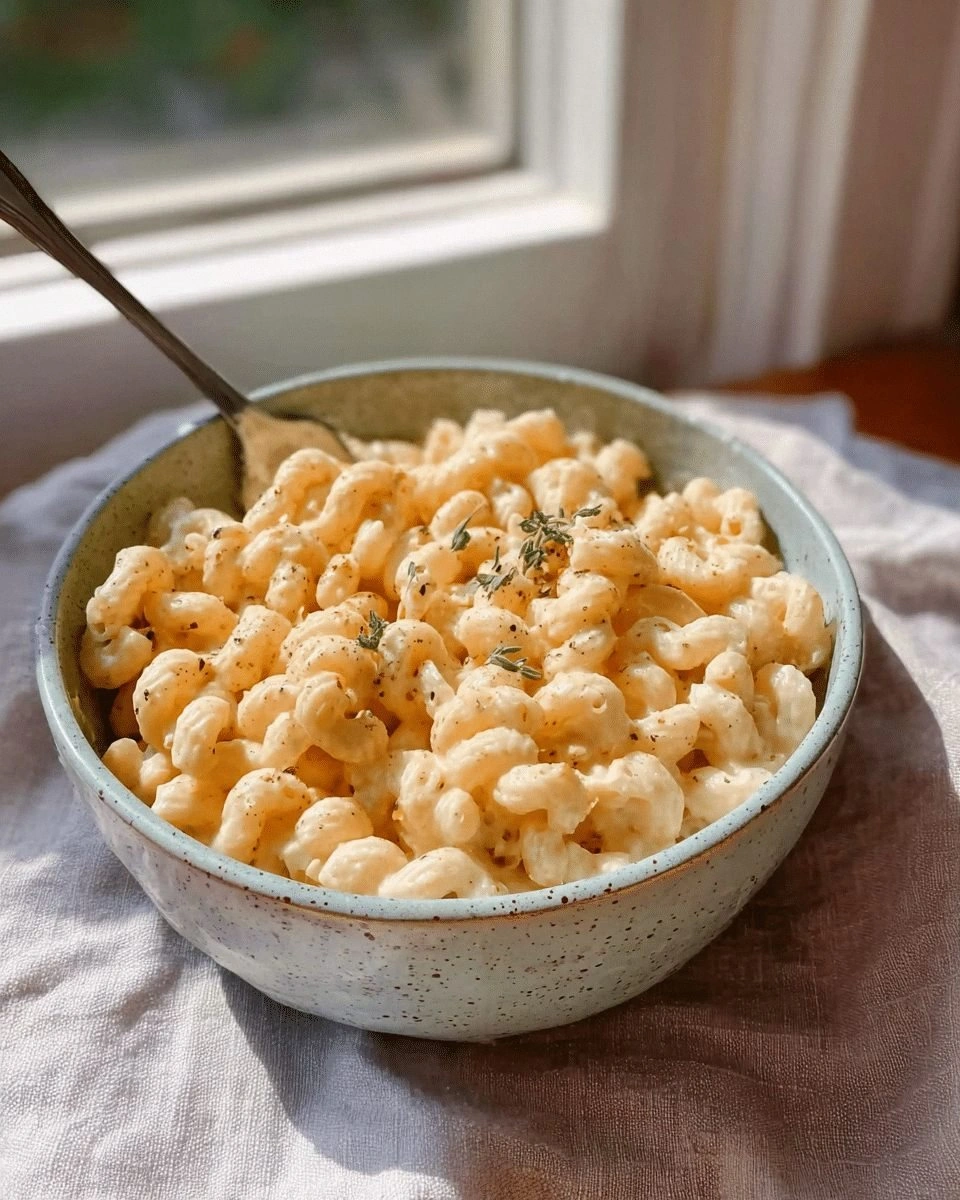
Picture this: a bowl of perfectly al dente cavatappi, each spiral holding a generous spoonful of sauce that clings like velvet. The sauce is a luscious blend of heavy cream, parmesan, and a splash of olive oil, thickened by a touch of butter and a whisper of garlic. When you bite, the pasta gives way to a creamy, cheesy explosion, and the tiny tubes trap every swirl of flavor. It’s the kind of dish that turns an ordinary dinner into a celebration, a comforting hug on a rainy night, or a crowd‑pleaser at a potluck. If you’re ready for a pasta that’s more than just food—an experience—you’ll love what’s coming.
Now, before we dive into the steps, let me drop a micro‑challenge: I dare you to taste this and not go back for seconds. That’s the power of this sauce—once you’ve had one spoonful, the rest feels like a guilty pleasure you’ll crave again. Most recipes get this completely wrong, using too much cheese or too little cream, but here we strike the perfect balance. I’ll be honest—after making the first batch, I ate half before anyone else got a taste. The rest of this post will walk you through each detail, from ingredient selection to the final plating, so you can replicate this magic at home.
Picture yourself pulling this out of the oven, the whole kitchen smelling incredible, and guests’ eyes widening as they see the glossy, golden surface. That sizzle when it hits the pan? Absolute perfection. The dish is so versatile that it can be served as a main course or a side, and it pairs wonderfully with a crisp white wine or a light rosé. Whether you’re cooking for a family dinner or impressing guests, this Creamy Cavatappi will make you the hero of the evening. Let me walk you through every single step—by the end, you’ll wonder how you ever made it any other way.
What Makes This Version Stand Out
- Texture: The pasta is cooked al dente, so it offers a satisfying bite that balances the creaminess of the sauce. This contrast keeps each mouthful exciting, preventing the dish from feeling heavy or soggy. The sauce’s slight thickness coats the noodles like a silky blanket.
- Flavor: A subtle blend of garlic, parmesan, and a hint of basil creates layers of depth without overpowering the pasta’s natural sweetness. The garlic is sautéed just until fragrant, so it adds warmth without bitterness. The basil’s freshness brightens the dish, making it feel bright and lively.
- Simplicity: With only a handful of high‑quality ingredients, this recipe is quick to assemble yet delivers gourmet results. No complicated techniques—just sauté, simmer, and combine. That’s why I can make it on a weeknight and still feel like I’ve cooked a five‑star meal.
- Uniqueness: The addition of ricotta and mozzarella gives the sauce a creamy, airy texture that sets it apart from classic Alfredo or carbonara. These cheeses meld together, creating a velvety mouthfeel that melts in your mouth. The result is a sauce that’s both indulgent and balanced.
- Make‑ahead Potential: The sauce can be prepared a day ahead and reheated without losing its silky texture. The pasta can be pre‑cooked, cooled, and stored in the fridge, making it a convenient option for busy schedules. This flexibility makes it a reliable go-to for any occasion.
- Crowd Reaction: Guests rave about the creamy texture and the bright, herbal finish. The dish is a hit at family gatherings, potlucks, and dinner parties alike. The combination of familiar flavors and a luxurious sauce keeps people coming back for more.
Inside the Ingredient List
The Flavor Base
Heavy Cream: This is the heart of the sauce, providing richness and body. It melts into the cheese, creating a silky texture that clings to the pasta. If you skip it, the sauce will taste thin and lack depth. For a lighter version, substitute half‑cream with whole milk, but keep the butter to maintain richness.
Garlic: Freshly minced garlic brings warmth and aroma. Sauté it until golden to release its full flavor without bitterness. If you prefer a milder taste, reduce the cloves to one or blanch them briefly before adding.
The Texture Crew
Parmesan Cheese: Aged parmesan offers sharp, nutty notes that cut through the cream. It also provides a natural thickening agent as it melts. If you’re on a dairy‑free diet, try nutritional yeast for a cheesy flavor, but the texture will differ.
Ricotta Cheese: Ricotta adds a light, airy quality that balances the richness. It creates a velvety mouthfeel and helps the sauce coat the pasta evenly. If you can’t find ricotta, cottage cheese is a decent substitute, but strain it first to avoid excess moisture.
Mozzarella: Shredded mozzarella melts into the sauce, adding gooeyness and a mild, milky flavor. It also helps bind the sauce together. If you want a sharper taste, use provolone instead.
The Unexpected Star
Basil: Fresh basil adds a bright, herbal finish that lifts the dish. It provides a pop of color and a subtle peppery note. If you’re out of basil, dried oregano can substitute, but use sparingly.
Red Pepper Flakes: A pinch of red pepper flakes offers a gentle heat that balances the creaminess. It’s optional but adds depth. If you’re heat‑averse, skip this step entirely.
The Final Flourish
Butter: Butter adds a buttery sheen and a subtle flavor that complements the cheeses. It also helps the sauce cling to the pasta. If you’re vegan, use a plant‑based butter alternative.
Olive Oil: A splash of olive oil brightens the sauce and adds a fruity note. It also prevents the sauce from becoming too heavy. For a richer flavor, use extra‑virgin olive oil.
Everything’s prepped? Good. Let’s get into the real action...
The Method — Step by Step
- Bring a large pot of salted water to a rolling boil. Add the cavatappi pasta and cook according to the package instructions, usually 9–11 minutes, until al dente. Reserve a cup of pasta water before draining to help thicken the sauce later. The pasta should feel firm to the bite, not mushy. Once cooked, drain and set aside, keeping it warm.
- While the pasta cooks, melt the butter in a large skillet over medium heat. Add the minced garlic and sauté until fragrant, about 30 seconds, watching carefully so it doesn’t brown. The aroma should be sweet and buttery, not bitter. This step builds the flavor foundation for the sauce. Once the garlic is ready, pour in the heavy cream.
- Reduce the heat to low and let the cream simmer gently. Stir in the shredded mozzarella and ricotta, allowing them to melt into the mixture. The sauce should thicken slightly and develop a glossy sheen. Keep stirring to prevent sticking. This is the moment of truth—if the sauce is too thick, add a splash of reserved pasta water.
- Stir in the grated parmesan cheese until it melts completely. The sauce should be smooth and slightly thickened by the cheese’s natural starch. Add the olive oil, which brightens the sauce and adds a silky texture. Taste and season with salt and pepper to your liking. The sauce should taste rich and balanced.
- Add the cooked cavatappi to the skillet, tossing to coat each noodle with sauce. If the mixture seems dry, drizzle a little more pasta water until you achieve a silky consistency. The pasta should be glossy and each spiral should hold a generous spoonful of sauce. Let the pasta heat through for 1–2 minutes so it absorbs the flavors.
- Fold in the chopped basil and a pinch of red pepper flakes. These final touches add freshness and a subtle heat that lifts the dish. Stir gently to distribute the basil evenly. The aroma should now be vibrant, with hints of pepper and herb. This is where the sauce truly shines.
- Transfer the pasta to a serving dish or individual bowls. Garnish with extra grated parmesan, a few basil leaves, or a drizzle of olive oil for an elegant finish. The dish should look glossy, with a golden crust on the edges. Serve immediately, because the sauce is best when it’s warm and fresh. Enjoy the creamy, cheesy symphony that will leave everyone asking for seconds.
That’s it—you did it. But hold on, I’ve got a few more tricks that will take this to another level. These insider tips will help you achieve the perfect texture, flavor balance, and presentation every time.
Insider Tricks for Flawless Results
The Temperature Rule Nobody Follows
Many cooks heat the sauce on high, which can cause the cheese to separate and the sauce to become oily. Keep the heat low and stir constantly; this preserves the creamy texture. If the sauce thickens too much, add a splash of pasta water to thin it out. The sauce should feel silky, not greasy.
Why Your Nose Knows Best
Smell the sauce as it simmers; a buttery, garlicky aroma signals that the flavors are developing properly. If you notice a burnt smell, reduce the heat immediately. The right aroma indicates that the cheese is melting evenly and the butter has not browned. Trust your senses—they’re your best guide.
The 5‑Minute Rest That Changes Everything
Let the cooked pasta rest in the pan for 5 minutes after adding the sauce. This resting period allows the noodles to absorb the flavors and the sauce to thicken to the perfect consistency. It also prevents the pasta from sticking together. During this time, the sauce will settle, giving it a glossy, cohesive look.
The Secret of Fresh Herbs
Add fresh herbs at the end of cooking to preserve their bright flavor. If you add them too early, they’ll wilt and lose their vibrancy. A few leaves of basil or a sprinkle of parsley will give the dish a fresh, aromatic finish. This simple step elevates the dish from good to unforgettable.
The Perfect Plate
Serve the pasta in a shallow, wide bowl to allow the sauce to spread evenly. Garnish with a light dusting of parmesan and a drizzle of olive oil. The presentation should look glossy, with the pasta spirals neatly arranged. A well‑presented dish will impress guests and make the meal feel special.
Creative Twists and Variations
This recipe is a playground. Here are some of my favorite ways to switch things up:
Sun‑Dried Tomato & Spinach
Add chopped sun‑dried tomatoes and fresh spinach to the sauce for a burst of color and umami. The tomatoes add a sweet, tangy note, while the spinach brings earthiness. This variation is great for spring or summer when fresh greens are plentiful. It also adds a nutritional boost.
Smoked Salmon & Dill
Fold in smoked salmon and dill for a pescatarian twist. The salmon’s smokiness complements the creamy sauce, and dill adds a fresh herbal flavor. This version works well as an elegant appetizer or light dinner. The salmon’s delicate texture pairs beautifully with the pasta.
Mushroom & Thyme
Sauté sliced mushrooms with thyme before adding the cream. The earthy mushrooms deepen the sauce’s flavor profile. Thyme brings a subtle, woodsy aroma. This variation is perfect for fall when mushrooms are in season.
Bacon & Caramelized Onions
Add crisp bacon bits and caramelized onions for a savory, sweet crunch. The bacon adds saltiness, while the onions bring a mellow sweetness. This version is ideal for a cozy dinner on a chilly evening. The textures contrast wonderfully.
Vegan Delight
Use coconut milk, nutritional yeast, and vegan parmesan for a dairy‑free version. Replace butter with a plant‑based alternative. This variation maintains the creamy texture while keeping the dish plant‑based. It’s a great option for those with dairy sensitivities.
Spicy Arrabbiata Twist
Add a generous amount of crushed red pepper flakes and a splash of tomato sauce. The spicy, tomatoy base offers a bold contrast to the cream. This version is great for those who love heat and want a fusion of flavors. The result is a fiery, comforting dish.
Storing and Bringing It Back to Life
Fridge Storage
Store leftovers in an airtight container in the refrigerator for up to 3 days. Keep the sauce and pasta separate if possible, as the pasta can become soggy when combined with sauce. When ready to reheat, gently warm the sauce over low heat, adding a splash of milk or water to restore creaminess. Stir frequently to prevent separation.
Freezer Friendly
Freeze the sauce in a freezer‑safe container for up to 2 months. The pasta should be cooked separately and reheated separately to avoid mushiness. To thaw, place the sauce in the fridge overnight, then gently reheat on the stove. Add a splash of cream to restore its original texture.
Best Reheating Method
Reheat the pasta and sauce together in a skillet over low heat, stirring gently. Add a tiny splash of water or milk to help the sauce regain its silky consistency. The dish should be steaming hot and glossy when plated. This method keeps the sauce from drying out and preserves its lusciousness.