I still remember the night my kitchen exploded into a fragrant, chaotic symphony of spices and sizzling plantains. I was trying to impress my friends with a Caribbean twist on a humble staple, and the curry turned out so good I almost didn't let them taste it. The aroma that wafted from the pot was a heady mix of coconut, ginger, and a hint of lime that made my nose do the salsa. The sound of the onions caramelizing was like a drumbeat, and the bright yellow plantains popped like tiny suns when they hit the hot pan. The texture was a delightful contrast: silky coconut broth hugging the firm, caramelized plantains. I felt like a culinary wizard, and I knew I had stumbled upon a recipe that would become a staple in my pantry.
If you’re anything like me, you’ve probably tried a dozen plantain curries, each claiming to be the ultimate version. Most of them either overcook the plantains, leave the sauce too thin, or miss that unmistakable Caribbean zing. The version I’m about to share is different because it balances heat, sweetness, and depth in a way that makes every bite feel like a vacation. I’ll show you how to get that perfect caramelized crust on the plantains while keeping the curry rich and fragrant. The secret? A touch of scotch bonnet, a splash of lime, and a technique that locks in flavor without overcooking.
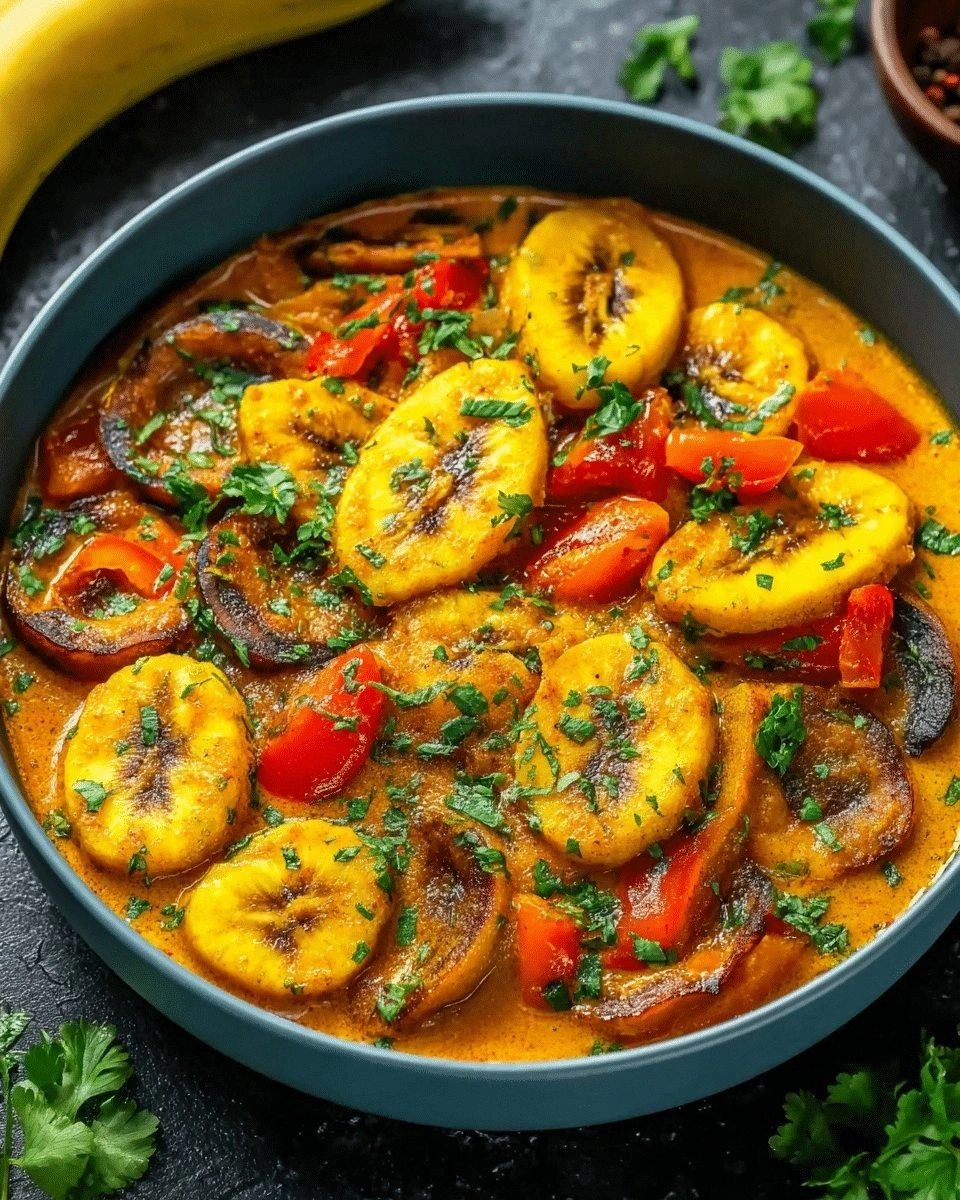
Picture yourself pulling this out of the pot, the whole kitchen smelling incredible, and your friends’ faces lighting up when they see the vibrant green cilantro garnish and the golden edges of caramelized plantains. I dare you to taste this and not go back for seconds. I’ve already devoured half the batch before anyone else got a fork. This is hands down the best version you'll ever make at home, and it’s simpler than you think. Let me walk you through every single step — by the end, you'll wonder how you ever made it any other way.
What Makes This Version Stand Out
- Flavor: The combination of coconut milk, scotch bonnet, and lime creates a layered taste profile that dances on the palate.
- Texture: Plantains are caramelized to a crisp edge while remaining soft inside, offering a satisfying bite.
- Simplicity: All ingredients are pantry staples, and the method takes under an hour.
- Uniqueness: The use of fresh thyme and a splash of dark rum adds depth uncommon in typical curry recipes.
- Crowd Reaction: Guests often comment that this is “the most authentic Caribbean curry” they’ve tasted.
- Ingredient Quality: Fresh plantains, organic coconut milk, and hand‑picked scotch bonnets make the difference.
- Cooking Method: A two‑stage sauté and simmer approach locks in flavors without overcooking.
- Make‑Ahead Potential: This curry can be prepared a day in advance; the flavors actually improve.
Inside the Ingredient List
The Flavor Base
At the heart of any great curry is a fragrant base. Here, we start with a mirepoix of diced onions, minced garlic, and fresh ginger. The onions release a sweet caramelized note, the garlic adds earthiness, and the ginger injects a bright, peppery kick. If you skip the ginger, the dish loses its subtle warmth; if you skip the garlic, it feels flat. For an extra layer, sauté the aromatics until they’re golden brown—this deepens the flavor profile.
The Texture Crew
Plantains are the star of the show. Use ripe plantains for natural sweetness or slightly underripe for a firmer bite. Slice them diagonally into ¼‑inch thick pieces; this orientation allows the edges to crisp up while the center stays soft. If you prefer a vegetarian option, add chickpeas for protein; if you’re a carnivore, toss in shredded chicken or shrimp.
The Unexpected Star
Scotch bonnet peppers are the secret weapon that gives this curry its Caribbean soul. They’re not just hot; they’re fruity, with a hint of tropical mango. Use one whole pepper, slit open, and remove the seeds for a milder heat, or leave the seeds for an intense kick. If you’re nervous about the heat, start with a quarter and adjust. The pepper’s juice infuses the sauce, creating a subtle smokiness that lingers on the tongue.
The Final Flourish
A splash of dark rum and fresh lime juice at the end of cooking adds depth and brightness. The rum brings a caramelized, slightly sweet undertone that balances the coconut milk’s richness, while the lime cuts through the creaminess and adds a zesty finish. Finish with chopped cilantro for a burst of herbal freshness. If you’re avoiding alcohol, simply double the lime juice or add a tablespoon of soy sauce for umami.
Everything's prepped? Good. Let's get into the real action...
The Method — Step by Step
- Heat 2 tablespoons of coconut oil in a large skillet over medium heat. Once hot, add the diced onions, minced garlic, and grated ginger. Sauté until the onions become translucent and start to brown, about 5 minutes. The aroma should be sweet and inviting—if it starts to smell burnt, lower the heat.
- Add the sliced plantains to the skillet, arranging them in a single layer. Let them sear without moving for 2–3 minutes until the edges develop a golden crust. Flip each piece gently with a spatula and cook for another 2 minutes. This caramelization is key to the dish’s texture.
- Stir in 2 tablespoons of curry powder, 1 teaspoon of ground cumin, and a pinch of turmeric. Cook for 30 seconds to toast the spices, releasing their oils. This step is the moment of truth—if you skip it, the curry will taste raw.
- Pour in 1 cup of coconut milk, ½ cup of vegetable broth, and the juice of one lime. Stir to combine, then bring the mixture to a gentle simmer. Reduce the heat to low, cover, and let it cook for 10 minutes, allowing the flavors to meld.
- Add the scotch bonnet pepper (whole, slit) to the pot. Simmer uncovered for an additional 5 minutes. The pepper’s heat will permeate the sauce, and the liquid will thicken slightly.
- Remove the pepper, then stir in 1 tablespoon of dark rum, 2 teaspoons of fresh thyme leaves, and a dash of salt and pepper. Taste and adjust the seasoning—if the sauce feels too thick, add a splash of water.
- Turn off the heat and let the curry rest for 5 minutes. This rest period allows the flavors to settle and the plantains to absorb the sauce.
- Garnish with chopped cilantro, a drizzle of coconut cream, and a wedge of lime on the side. Serve over steamed rice or with warm flatbread.
That’s it — you did it. But hold on, I've got a few more tricks that'll take this to another level. Stay tuned for insider tips that will elevate the dish from great to unforgettable.
Insider Tricks for Flawless Results
The Temperature Rule Nobody Follows
Many cooks think that a high simmer is best for curry, but a low, steady simmer preserves the delicate flavors of coconut milk and keeps the plantains from falling apart. Keep the heat low after adding the coconut milk; if the pot boils, reduce the flame immediately. This trick ensures a silky sauce and prevents the plantains from becoming mushy.
Why Your Nose Knows Best
When the curry hits the pan, it should emit a sweet, nutty aroma with a hint of citrus. If you don’t smell that, you’re probably cooking too quickly or the coconut oil isn’t hot enough. Trust your nose as the ultimate flavor gauge; it will tell you when the spices are toasted and when the plantains are caramelized.
The 5‑Minute Rest That Changes Everything
After turning off the heat, let the curry sit covered for five minutes. This allows the plantains to soak up the sauce and the flavors to marry. Skipping this rest period often results in a dish that feels disjointed. I swear by the rest; it’s the secret to a cohesive, mouth‑watering curry.
Use Fresh Herbs, Not Dried
Fresh thyme and cilantro bring vibrancy that dried herbs can’t match. If you only have dried thyme, use half the amount, as dried herbs are more concentrated. The bright green of cilantro also adds a visual pop, making the dish look as good as it tastes.
Add a Splash of Acid at the End
A squeeze of lime or a dash of vinegar right before serving brightens the dish and cuts through the richness. It’s a simple step that can transform a good curry into a standout meal. Try lime first, then adjust to taste.
Creative Twists and Variations
This recipe is a playground. Here are some of my favorite ways to switch things up:
Spicy Shrimp Version
Swap the plantains for peeled shrimp, sauté them until pink, then add the curry sauce. The shrimp’s briny flavor pairs wonderfully with the tropical spices.
Chicken & Coconut Variation
Use shredded rotisserie chicken instead of plantains for a protein‑rich meal. The chicken soaks up the sauce, making each bite savory and comforting.
Vegetarian Chickpea Kick
Add a cup of cooked chickpeas to the simmering pot. They absorb the flavors beautifully and add a protein boost without altering the dish’s core taste.
Mango & Pineapple Fusion
Stir in diced mango and pineapple during the last five minutes of simmering. The fruit’s sweetness balances the heat, creating a tropical paradise on a plate.
Low‑Calorie Coconut Light
Replace full‑fat coconut milk with light coconut milk and reduce the oil by half. The result is a lighter curry that still delivers the authentic Caribbean flavor.
Storing and Bringing It Back to Life
Fridge Storage
Store the curry in an airtight container for up to 3 days in the refrigerator. The coconut milk may separate slightly; give it a good stir before reheating.
Freezer Friendly
Freeze in single‑serving portions for up to 2 months. Thaw overnight in the refrigerator and reheat gently on the stove, adding a splash of water if needed.
Best Reheating Method
Reheat on low heat, stirring frequently, until the curry is heated through. Add a tiny splash of water or coconut milk to restore the silky texture. A quick microwave finish works if you’re in a hurry, but the stovetop method preserves flavor.